
Understanding the Latest Trends in Medical Equipment Validation


Introduction to Medical Equipment Validation
In the ever-evolving field of healthcare, the validation of medical equipment is crucial to ensuring both safety and efficacy. As technology advances, understanding the latest trends in medical equipment validation becomes essential for manufacturers, healthcare providers, and regulatory bodies.
The Importance of Validation
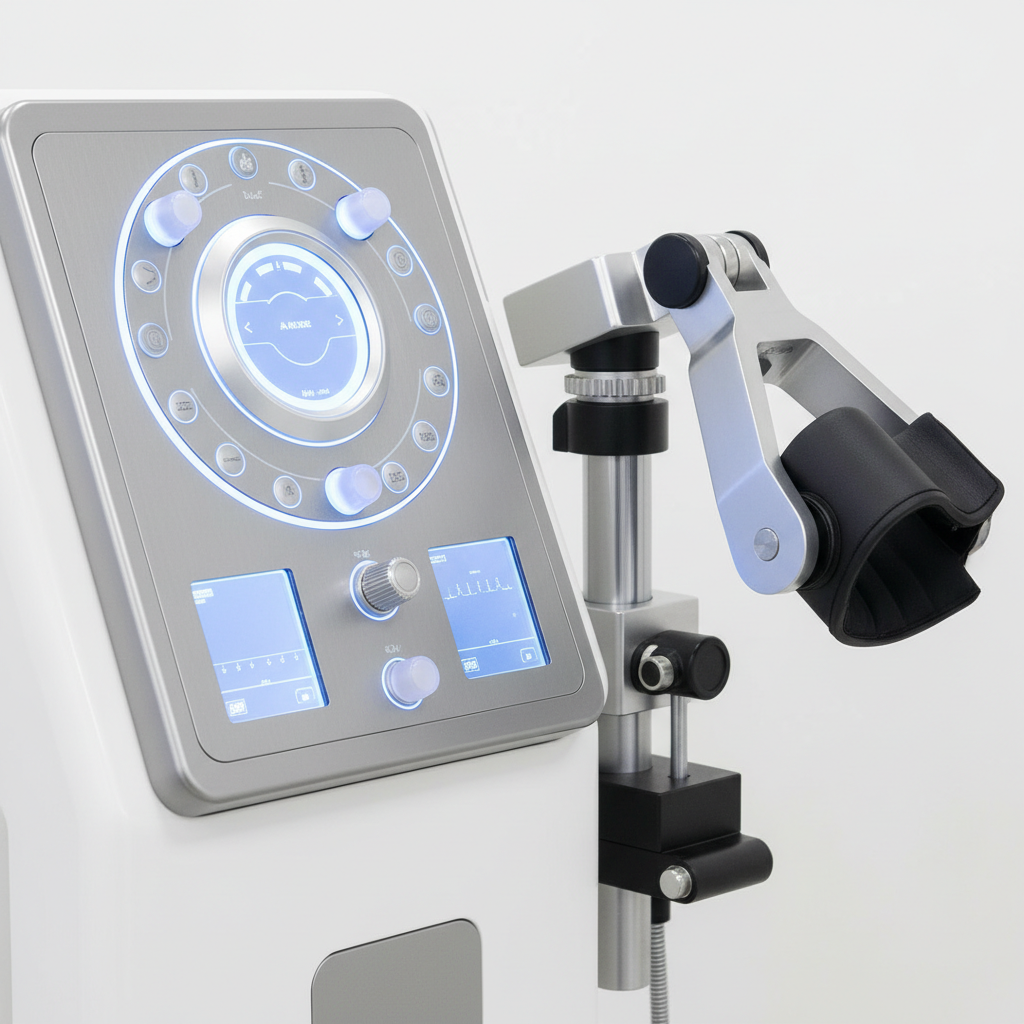
Validation is the process of proving that a product meets the necessary requirements and performs its intended function. In medical equipment, this ensures patient safety and compliance with regulatory standards. The stakes are high; any failure can lead to serious health risks.
Regulatory requirements are becoming more stringent, emphasizing the need for thorough validation processes. Companies must adapt to these changes to remain compliant and competitive.
Trend 1: Integration of Digital Technologies
One of the most significant trends in medical equipment validation is the integration of digital technologies. The use of artificial intelligence, machine learning, and big data allows for more precise and efficient validation processes. These technologies enable the analysis of vast amounts of data, identifying patterns and anomalies that might be missed by traditional methods.

Automation in Validation Processes
Automation has revolutionized the validation landscape. Automated systems reduce human error, enhance efficiency, and provide consistent results. Automated validation tools can simulate real-world conditions, ensuring equipment performs reliably under various scenarios.
Trend 2: Emphasis on Cybersecurity
With the increasing connectivity of medical devices, cybersecurity has become a critical aspect of equipment validation. Protecting patient data and ensuring the integrity of device operations are paramount. Companies are now required to implement robust cybersecurity measures as part of their validation protocols.

Regulatory Focus on Cybersecurity
Regulatory bodies have heightened their focus on cybersecurity requirements. Guidelines and standards are being updated to address emerging threats, making it essential for manufacturers to stay informed and proactive in their validation efforts.
Trend 3: Sustainability and Environmental Impact
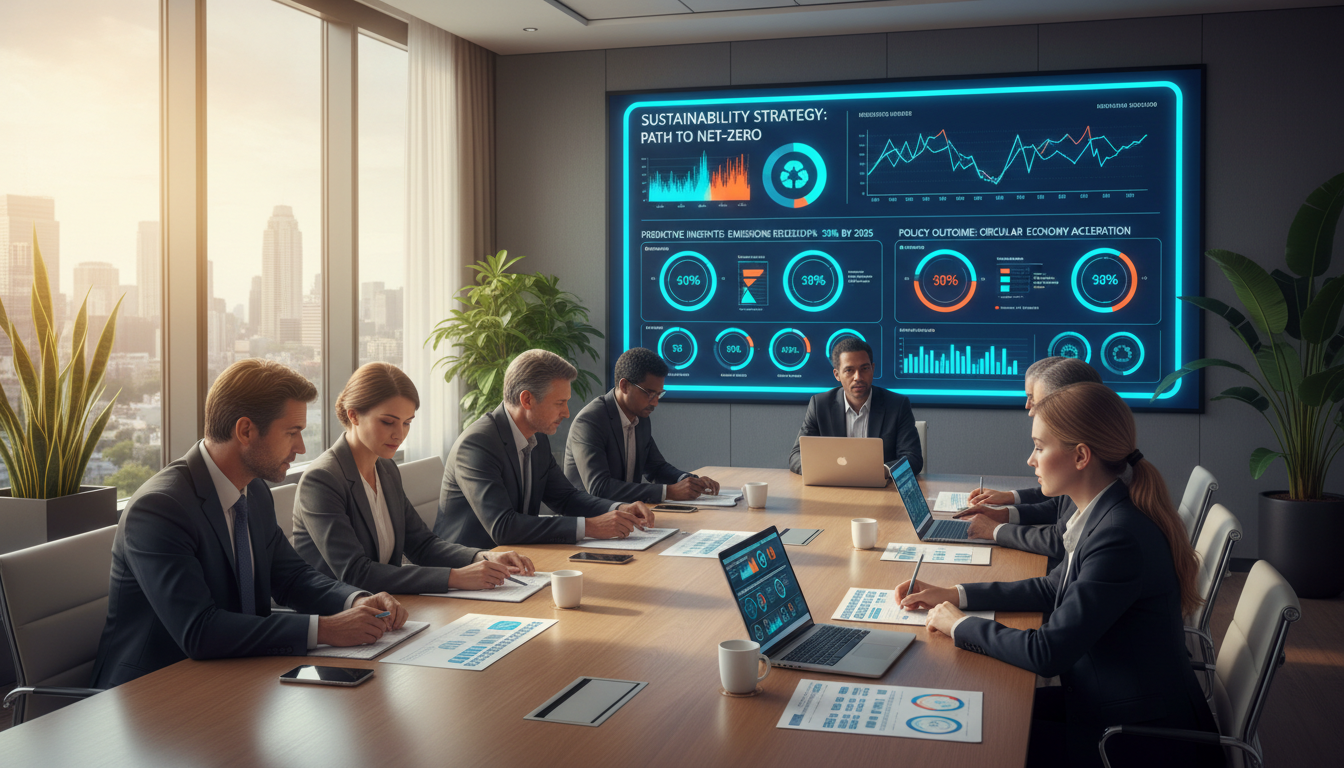
The healthcare industry is increasingly recognizing the importance of sustainability. Validation processes are now incorporating assessments of environmental impact. This includes evaluating the materials used, energy consumption, and waste produced by medical equipment.
Manufacturers are focusing on eco-friendly designs and sustainable practices to meet both regulatory requirements and consumer expectations.
Benefits of Sustainable Validation Practices
Adopting sustainable validation practices not only helps the environment but also provides economic benefits. Reducing waste and energy use can lead to cost savings, while eco-friendly products can enhance brand reputation.
Conclusion
Understanding the latest trends in medical equipment validation is vital for staying ahead in a competitive and regulated industry. By embracing digital technologies, prioritizing cybersecurity, and integrating sustainability, companies can ensure compliance and deliver safe, effective products.
As advancements continue, the landscape of medical equipment validation will undoubtedly evolve, requiring ongoing adaptation and innovation from all stakeholders involved.