
Understanding the Latest Trends in Medical Equipment Repair and Validation


Introduction to Medical Equipment Repair and Validation
In the rapidly evolving field of healthcare, ensuring the optimal performance of medical equipment is crucial. The latest trends in medical equipment repair and validation are focused on enhancing reliability, safety, and compliance with stringent regulatory standards. This blog post delves into these trends, highlighting their significance in today's healthcare landscape.
Medical equipment repair and validation are not just about fixing malfunctioning devices. They encompass a comprehensive approach to ensuring that every piece of equipment functions correctly and reliably. This involves regular maintenance, calibration, and testing to uphold the highest standards of patient care.
Emphasis on Preventive Maintenance
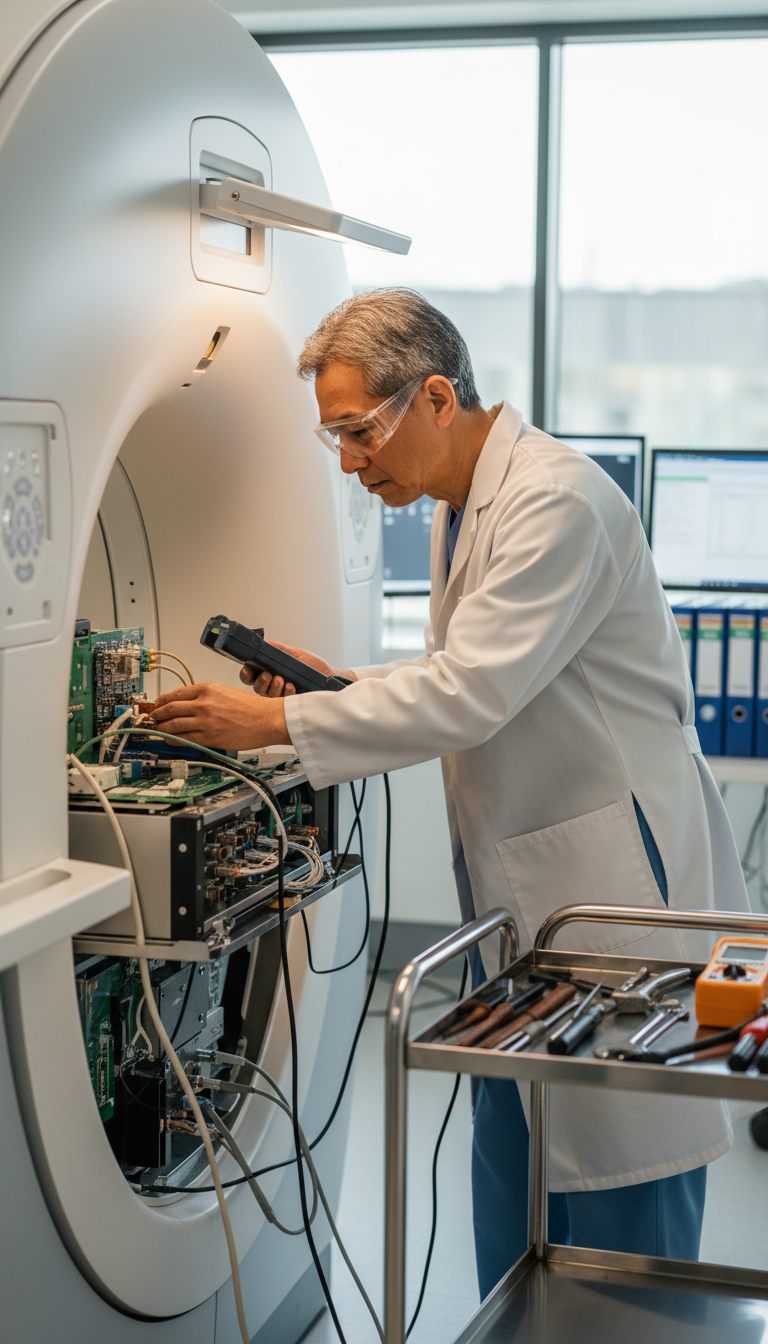
One of the most significant trends is the shift towards preventive maintenance. Instead of waiting for a breakdown, healthcare facilities are now prioritizing regular check-ups and servicing. This proactive approach not only extends the lifespan of equipment but also minimizes downtime, which is critical in a healthcare setting.
Preventive maintenance involves scheduled inspections, cleaning, and minor repairs, ensuring that equipment remains in good working order. This strategy helps in identifying potential issues before they escalate, thereby saving costs in the long run.
Advanced Diagnostic Tools
The use of advanced diagnostic tools is becoming increasingly prevalent. These tools allow technicians to accurately assess the condition of medical devices, facilitating precise repairs and validations. By leveraging technology, facilities can enhance the accuracy and efficiency of their maintenance processes.
Focus on Regulatory Compliance
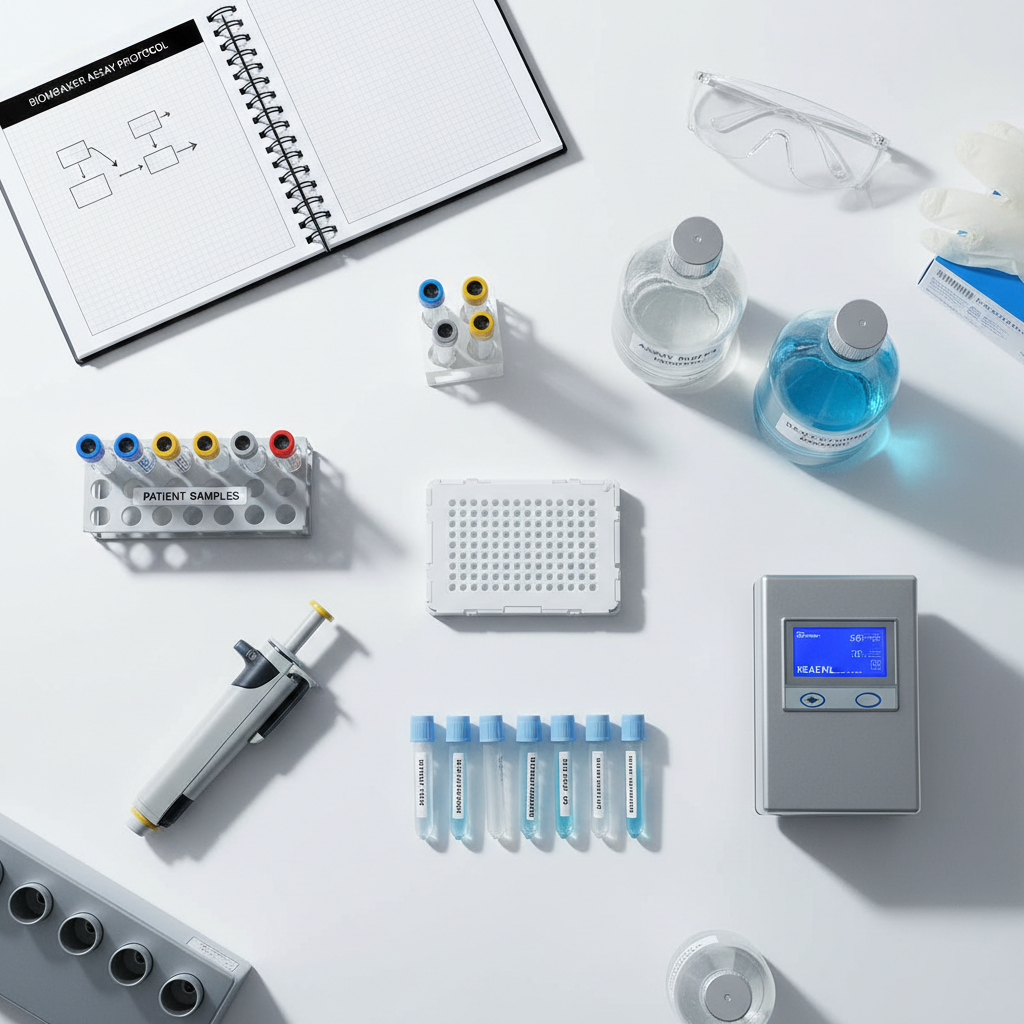
Regulatory compliance is a key focus in the medical equipment repair and validation industry. With stringent regulations governing the use and maintenance of medical devices, staying compliant is essential. This not only ensures patient safety but also protects healthcare providers from legal and financial liabilities.
Compliance involves adhering to guidelines set by regulatory bodies such as the FDA and ISO. It requires meticulous record-keeping, regular audits, and adherence to standardized procedures. This trend underscores the importance of maintaining up-to-date knowledge of regulatory requirements.
Integration of IoT and AI
The integration of Internet of Things (IoT) and Artificial Intelligence (AI) is revolutionizing medical equipment repair and validation. IoT-enabled devices can send real-time data to technicians, allowing for remote monitoring and diagnostics. AI can predict potential failures, enabling preemptive measures.
This technology-driven approach enhances the precision and efficiency of maintenance processes, reducing the likelihood of unexpected equipment failures and improving overall patient care.

Training and Skill Development
The demand for skilled technicians is on the rise, with ongoing training and skill development being crucial trends. As technology evolves, technicians must stay updated with the latest advancements and repair techniques.
Many healthcare facilities are investing in training programs to ensure their staff are equipped with the necessary skills to handle complex repairs and validations. This investment in human resources is vital for maintaining high standards of equipment maintenance.
Conclusion
Understanding the latest trends in medical equipment repair and validation is essential for healthcare providers aiming to deliver the highest quality of care. By embracing preventive maintenance, regulatory compliance, technological advancements, and skill development, facilities can ensure the reliability and safety of their medical equipment.
These trends not only improve operational efficiency but also enhance patient outcomes, making them indispensable in the modern healthcare environment.