
Understanding the Importance of Equipment Validation in Healthcare


In the fast-evolving world of healthcare, ensuring the reliability and safety of medical equipment is crucial. Equipment validation plays a vital role in maintaining these standards, ensuring that devices perform as expected and meet all regulatory requirements. This process not only safeguards patient health but also enhances the credibility of healthcare providers.
Equipment validation involves a thorough examination of each device to confirm its suitability for use. This includes checking performance, safety, and compliance with industry standards. By validating equipment, healthcare facilities can minimize risks and ensure the highest quality of care.
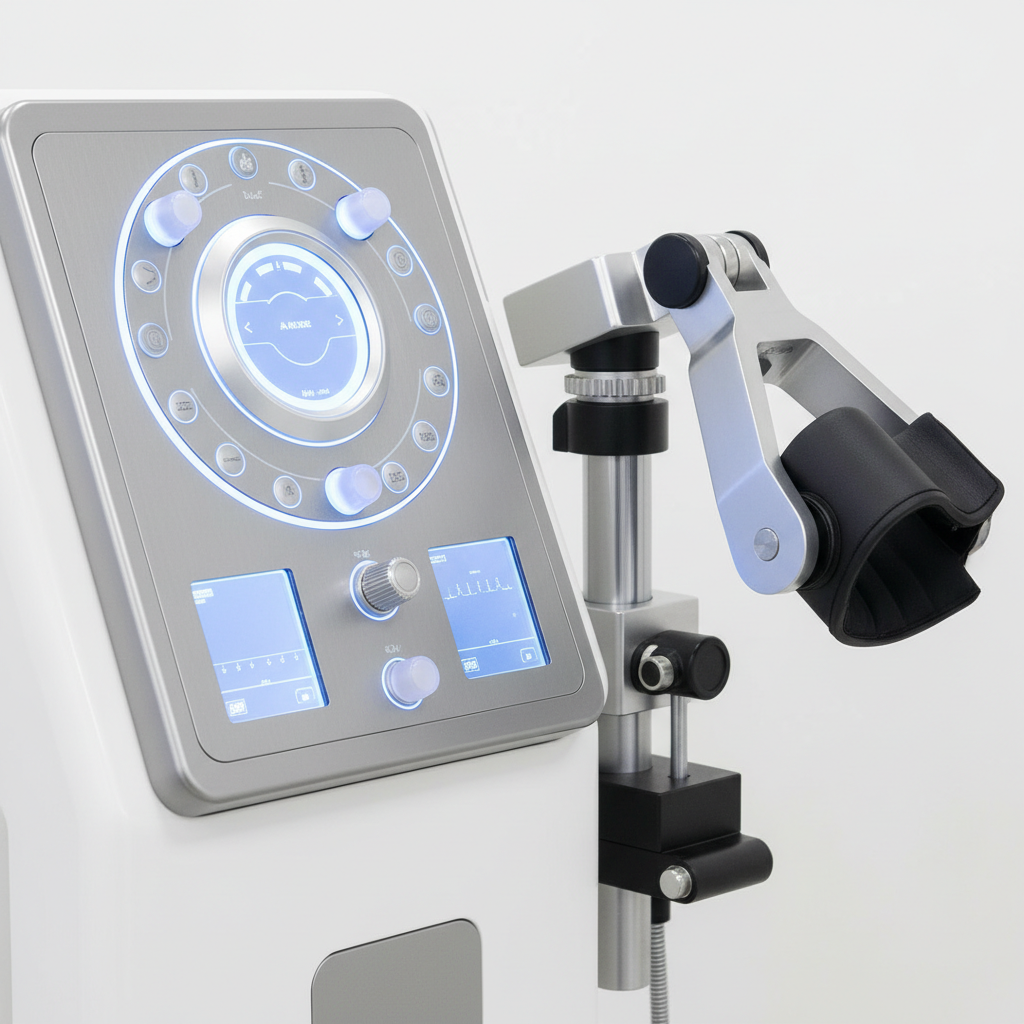
What is Equipment Validation?
Equipment validation is a systematic approach to evaluating medical devices. This process ensures that equipment operates within specified parameters, delivering accurate and reliable results. Validation involves a series of tests and procedures, including installation qualification, operational qualification, and performance qualification.
Installation Qualification (IQ) verifies that the equipment is installed correctly and according to manufacturer specifications. This step ensures that all components are present and functioning as intended.
Operational Qualification
Operational Qualification (OQ) tests the equipment under expected operating conditions. This phase ensures that the device performs consistently and reliably in a real-world environment. OQ includes testing various functions and settings to confirm that the equipment meets all operational requirements.
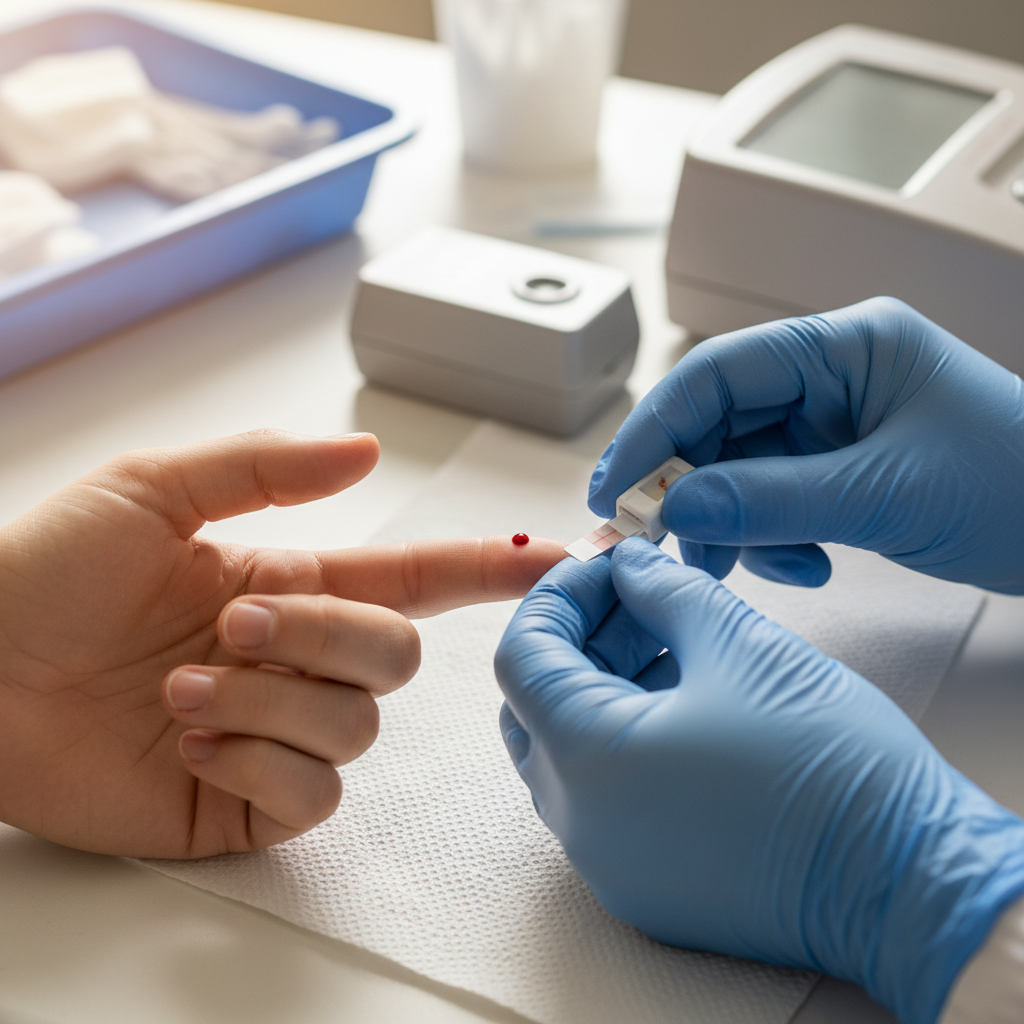
Performance Qualification
Performance Qualification (PQ) assesses the equipment's effectiveness under load and stress conditions. This step is crucial in verifying that the device can handle everyday use without compromising performance or safety. PQ ensures that the equipment delivers accurate results consistently.
Through these validation steps, healthcare providers can trust their equipment, reducing the likelihood of errors and enhancing patient care. This rigorous validation process is essential for maintaining compliance with regulatory standards and ensuring the safety of patients and staff.
Why is Equipment Validation Important?
The importance of equipment validation cannot be overstated. It plays a key role in maintaining the integrity of healthcare services. By validating equipment, healthcare providers can:
- Ensure Patient Safety: Properly validated equipment minimizes the risk of malfunctions that could harm patients.
- Maintain Compliance: Adhering to regulatory standards helps avoid legal issues and fines.
- Enhance Quality of Care: Reliable equipment leads to more accurate diagnoses and treatments.

Challenges in Equipment Validation
Despite its importance, equipment validation presents several challenges. One major challenge is the complexity of medical devices, which often require specialized knowledge and testing procedures. Additionally, keeping up with evolving regulatory standards can be daunting for healthcare providers.
Addressing these challenges requires a committed approach, including ongoing training for staff and collaboration with manufacturers. By investing in validation processes, healthcare facilities can overcome these obstacles and ensure the highest standards of care.
In conclusion, equipment validation is an essential component of the healthcare industry, playing a crucial role in ensuring safety, compliance, and quality. By understanding and implementing effective validation processes, healthcare providers can enhance their services and protect patient well-being.