
Top Trends in Medical Equipment Repair and Validation


Introduction to Medical Equipment Repair and Validation
In the rapidly evolving world of healthcare, maintaining the functionality and safety of medical equipment is crucial. Recent trends in medical equipment repair and validation are driven by technological advancements and regulatory requirements. Understanding these trends is essential for healthcare providers and technicians alike.
Emphasis on Predictive Maintenance
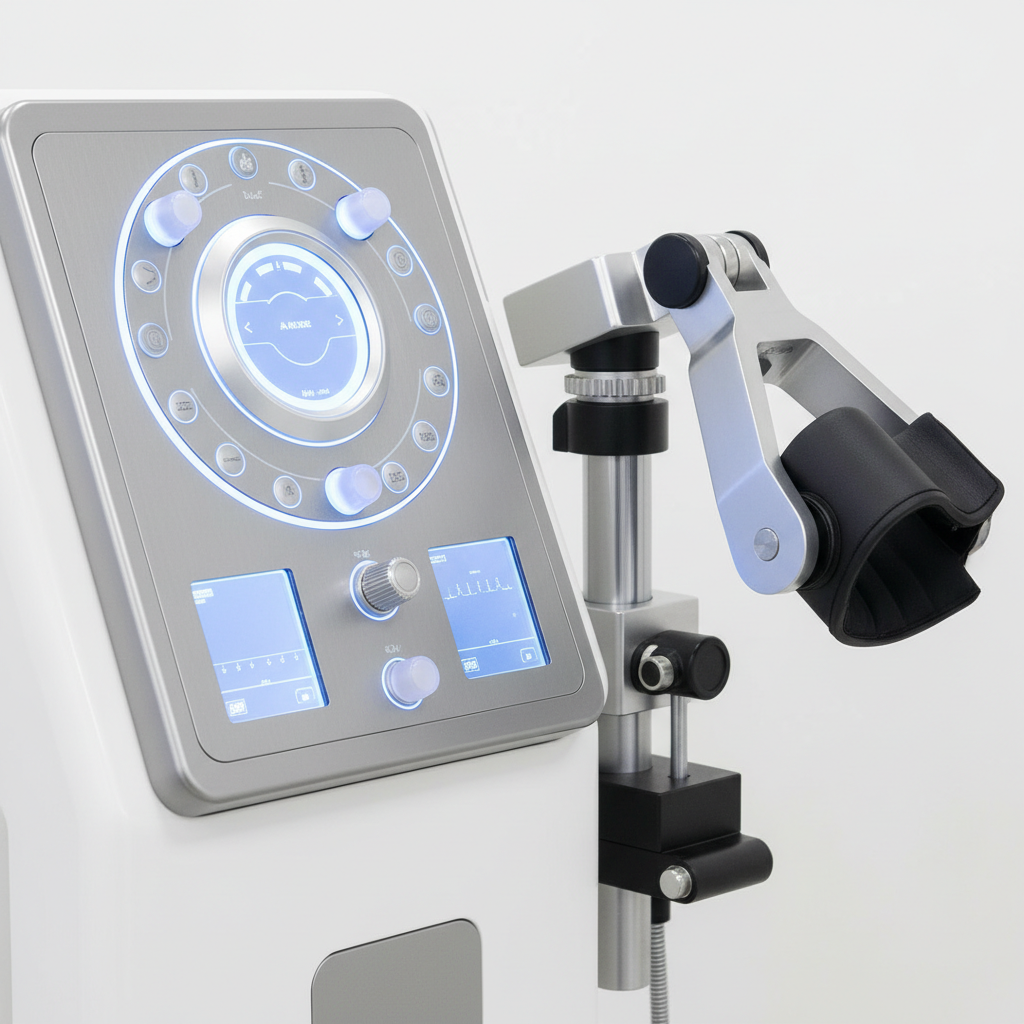
Predictive maintenance is becoming a cornerstone of medical equipment management. By using data analytics and machine learning, healthcare facilities can anticipate equipment failures before they occur. This approach not only reduces downtime but also extends the lifespan of critical devices.
Predictive maintenance involves monitoring real-time data and identifying patterns that indicate potential issues. By doing so, hospitals can schedule repairs proactively, minimizing the impact on patient care and operational efficiency.
Integration of IoT and Smart Devices
The Internet of Things (IoT) is transforming the way medical equipment is monitored and maintained. Smart devices equipped with sensors provide continuous feedback on performance metrics, allowing for more accurate validations and repairs. This connectivity ensures that equipment operates at peak efficiency.

IoT integration also facilitates remote diagnostics, enabling technicians to assess and troubleshoot equipment issues without being physically present. This capability is especially beneficial in rural or underserved areas, where access to specialized technicians may be limited.
Regulatory Compliance and Quality Assurance
Regulatory bodies are imposing stricter guidelines to ensure patient safety and equipment reliability. Compliance with standards like ISO 13485 and FDA regulations is mandatory for medical equipment manufacturers and service providers. These standards emphasize comprehensive validation processes and documentation.
Quality assurance programs are now more robust, involving regular audits and inspections. Staying updated with regulatory changes is vital for organizations to avoid penalties and maintain their reputation.

Focus on Sustainability and Eco-Friendly Practices
As environmental concerns grow, the medical equipment industry is moving toward sustainable practices. Repair and validation processes are being designed to minimize waste and energy consumption. Recycling and refurbishing old equipment are becoming more common, reducing the environmental footprint.
Moreover, manufacturers are developing eco-friendly materials and components, enhancing the sustainability of new devices. This shift not only benefits the environment but also aligns with the growing consumer demand for responsible business practices.
The Role of Training and Skill Development
With the increasing complexity of medical equipment, continuous training and skill development for technicians are more important than ever. Workshops, certifications, and online courses are essential in keeping professionals updated with the latest repair techniques and validation standards.
Investing in training not only improves repair quality but also enhances job satisfaction and retention among technicians, ultimately benefiting the entire healthcare system.
Conclusion
The landscape of medical equipment repair and validation is changing rapidly, driven by technology, regulatory demands, and environmental considerations. By staying informed about these trends, healthcare providers can ensure the safety, efficiency, and sustainability of their operations. Embracing these innovations will lead to better patient outcomes and more resilient healthcare systems.