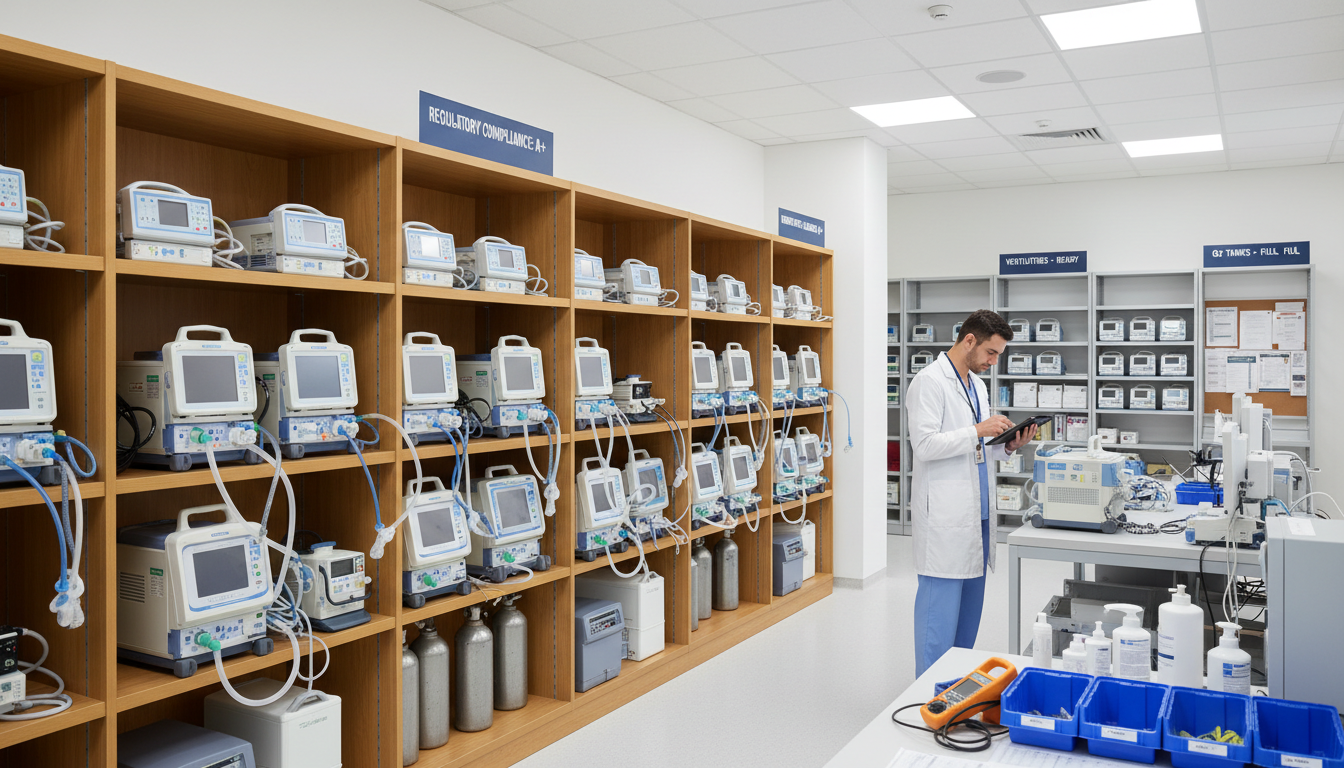
The Impact of Environmental Factors on Medical Equipment in Mecca


Introduction
The city of Mecca, known for its rich history and spiritual significance, faces unique challenges when it comes to maintaining medical equipment. The extreme climate conditions and specific environmental factors in Mecca can significantly impact the functionality and longevity of medical devices.
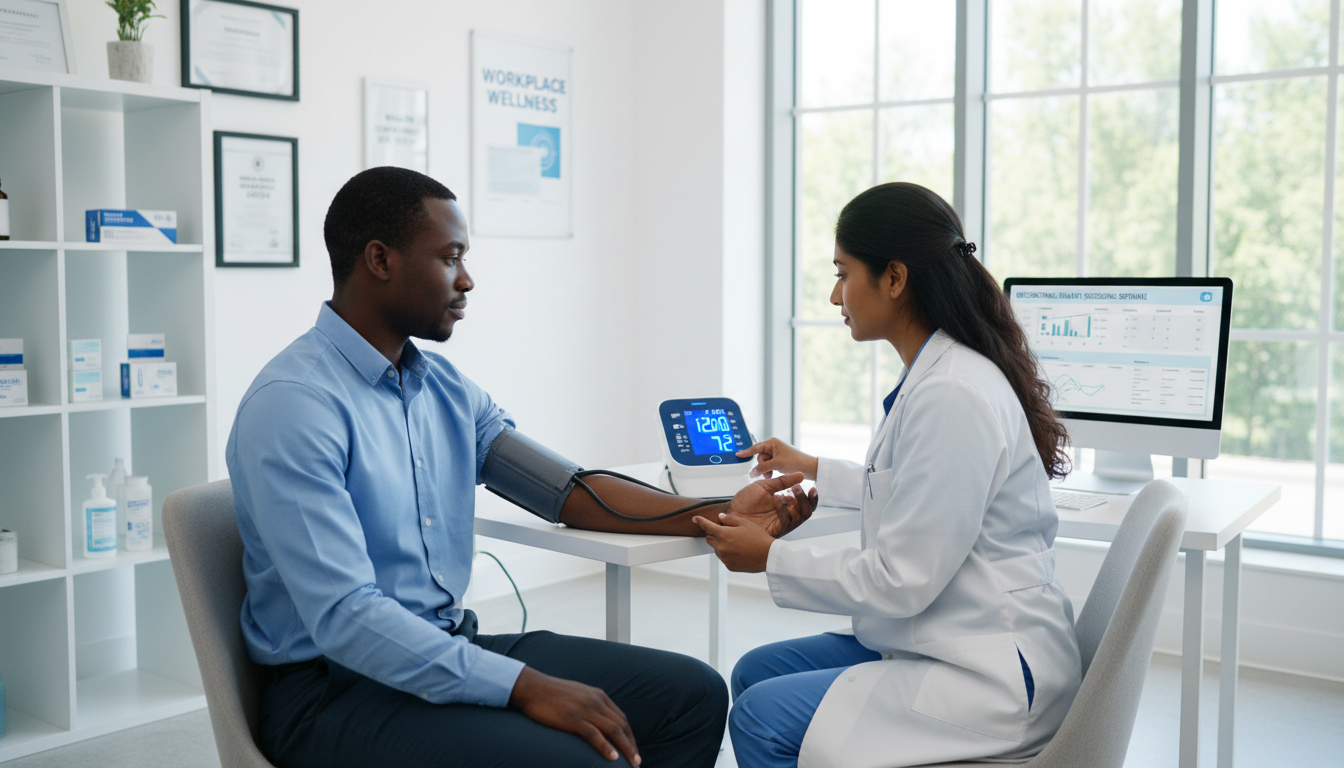
Climate Challenges
Mecca experiences high temperatures for most of the year, with summer months often exceeding 40°C (104°F). This intense heat can lead to overheating of sensitive medical equipment, affecting their performance and reliability. Additionally, the high humidity levels can cause corrosion and rust in metal components.
Heat Management
To combat these issues, hospitals and clinics in Mecca must implement effective cooling systems to ensure that equipment remains operational. Regular maintenance checks and the use of heat-resistant materials can also mitigate potential damage caused by extreme temperatures.
Sand and Dust
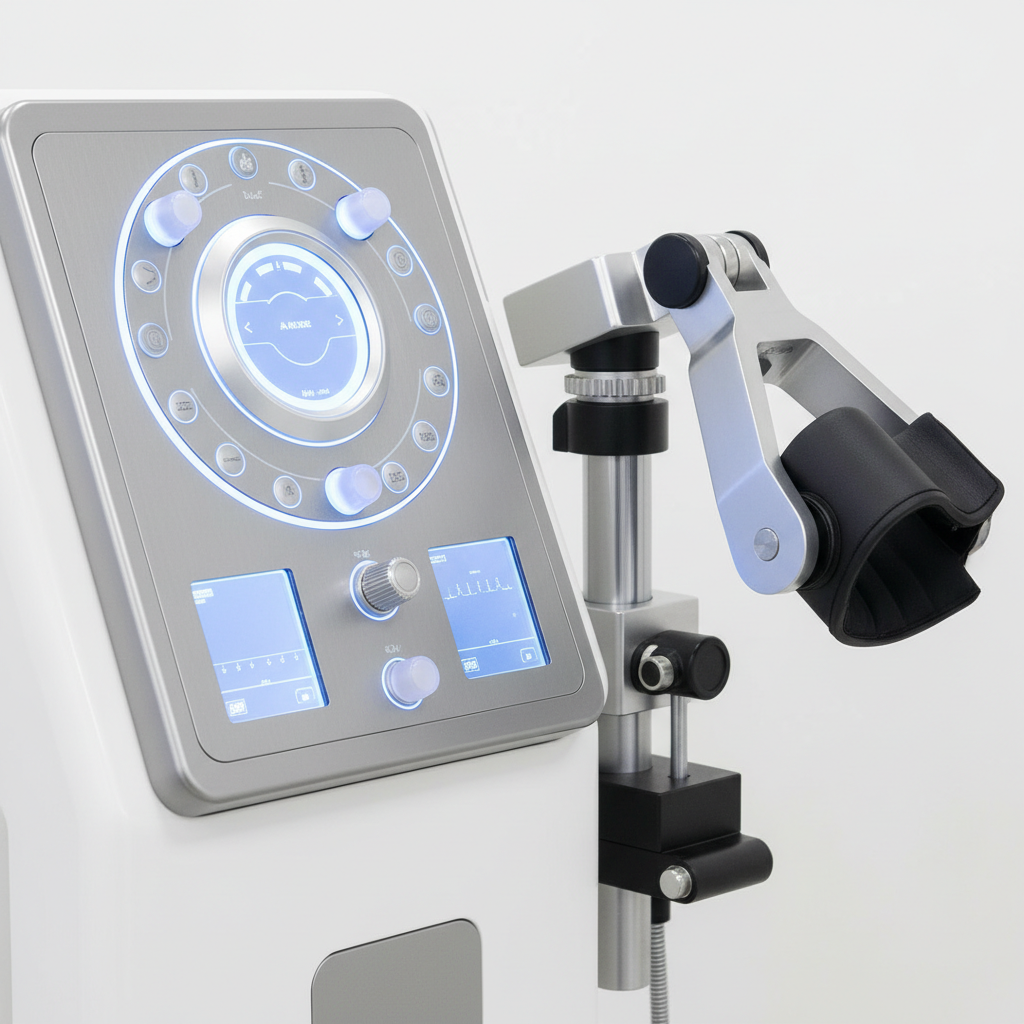
The desert environment surrounding Mecca contributes to frequent sand and dust storms. These particles can infiltrate medical equipment, leading to blockages and mechanical failures. Ensuring that devices are sealed properly and using air filtration systems can help reduce the risk of contamination.
Protective Measures
Medical facilities can adopt several protective measures, such as using dust covers for equipment not in use and conducting regular cleaning routines. Educating staff on handling equipment in dusty conditions is also crucial for maintaining operational efficiency.

Impact on Technology
Environmental factors not only affect the physical components of medical equipment but also the software. Fluctuations in temperature and humidity can lead to malfunctions in electronic systems. Ensuring robust software design and regular updates is essential to prevent glitches.
Software Reliability
Healthcare providers must prioritize software reliability by working with manufacturers to develop technology tailored to withstand Mecca's environmental conditions. Investing in high-quality, durable devices ensures better patient care and reduces downtime.
Conclusion
Understanding and addressing the impact of environmental factors on medical equipment in Mecca is crucial for healthcare facilities. By implementing strategic measures, such as efficient cooling systems and protective maintenance practices, medical institutions can ensure that their equipment remains functional and reliable, ultimately improving patient outcomes.