
Seasonal Maintenance Tips for Medical Equipment in Saudi Arabia's Climate


Maintaining medical equipment in Saudi Arabia's unique climate requires special attention due to the extreme temperatures and humidity levels experienced throughout the year. Proper maintenance ensures that medical devices function reliably, providing accurate results and maintaining safety standards.
Understanding the specific challenges posed by the local environment is essential for effective equipment care. The following seasonal maintenance tips will help healthcare facilities prolong the lifespan of their equipment and ensure optimal performance.
Understanding Climate Challenges
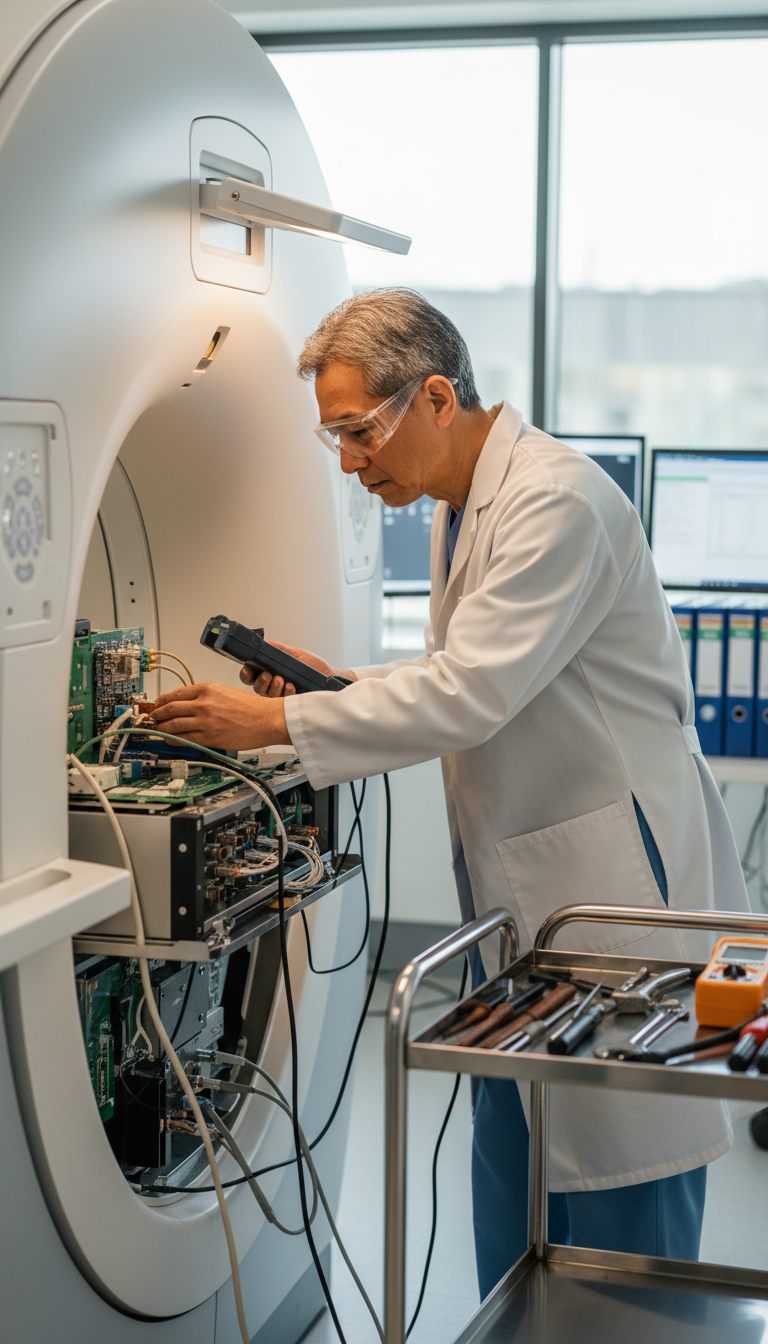
Saudi Arabia's climate is characterized by scorching summers and mild winters. The intense heat and dust can adversely affect electronic components, leading to malfunctions or breakdowns. Additionally, the high humidity in some regions can cause corrosion and rust.
By acknowledging these challenges, healthcare providers can implement tailored maintenance strategies to mitigate potential risks. Regular inspections and preventive measures are crucial to address these environmental factors effectively.
Summer Maintenance Tips
During the summer months, temperatures can soar, placing stress on medical equipment. To ensure optimal performance, consider the following tips:
- Air Conditioning: Keep equipment rooms well-ventilated and air-conditioned to prevent overheating.
- Dust Control: Use air purifiers and regular cleaning schedules to minimize dust accumulation.
- Routine Checks: Inspect cooling systems regularly to ensure they are functioning efficiently.

Winter Maintenance Considerations
Although winters are milder, fluctuations in temperature can still impact equipment. It's important to:
- Monitor Humidity Levels: Use dehumidifiers to control moisture, preventing corrosion.
- Regular Inspections: Check for any signs of wear or damage caused by earlier high temperatures.
- Battery Maintenance: Ensure batteries are stored at recommended temperatures to avoid capacity loss.
Routine Calibration and Testing
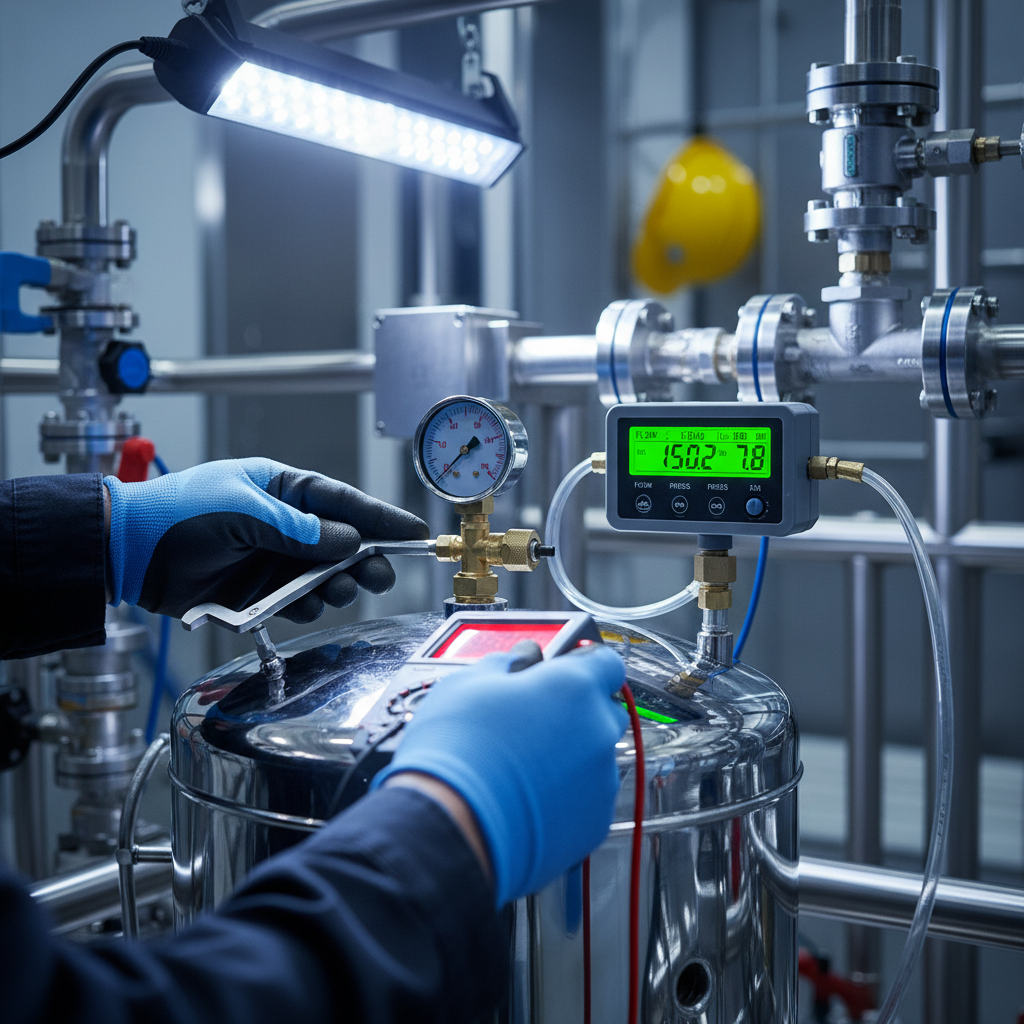
Regular calibration and testing of medical equipment are essential to maintain accuracy and reliability. This process involves adjusting the equipment to meet predefined standards and testing it under various conditions to ensure consistent performance.
Conducting these procedures at least twice a year, or more frequently if required by the manufacturer, will help detect any discrepancies early and maintain equipment accuracy.
Staff Training and Awareness
Proper training of staff is vital for effective equipment maintenance. By educating healthcare workers on the importance of routine checks and the specific needs of equipment in Saudi Arabia's climate, facilities can ensure a proactive approach to maintenance.
Encouraging a culture of awareness and responsibility among staff members can significantly enhance the longevity and performance of medical devices.
Conclusion
By implementing these seasonal maintenance tips, healthcare facilities in Saudi Arabia can protect their medical equipment from climate-related challenges. Regular inspections, proper storage, staff training, and adherence to manufacturer guidelines are key to ensuring the equipment remains in optimal condition throughout the year.
With these strategies in place, healthcare providers can focus on delivering quality patient care without the worry of equipment failure due to environmental factors.