
Latest Trends in Medical Equipment Repair and Validation


Introduction to Medical Equipment Repair Trends
The medical equipment industry is rapidly evolving, and with it, the processes for **repair and validation**. As healthcare technology advances, the need for efficient and reliable equipment maintenance becomes increasingly crucial. This blog post explores the latest trends in medical equipment repair and validation, providing insights into how these trends can enhance operational efficiency and patient safety.
One of the most significant shifts in this field is the integration of **technology-driven solutions**. From IoT-enabled devices to AI-driven diagnostics, these innovations are transforming how medical equipment is maintained and validated.

Adoption of Predictive Maintenance
Predictive maintenance is a trend that leverages data analytics to anticipate equipment failures before they occur. By analyzing historical and real-time data, healthcare facilities can forecast potential issues and schedule timely repairs, minimizing downtime and reducing costs.
This approach not only improves equipment longevity but also enhances **patient care** by ensuring that medical devices are always in optimal working condition. Predictive maintenance is becoming a cornerstone strategy for hospitals aiming to optimize their resources effectively.
AI and Machine Learning in Diagnostics
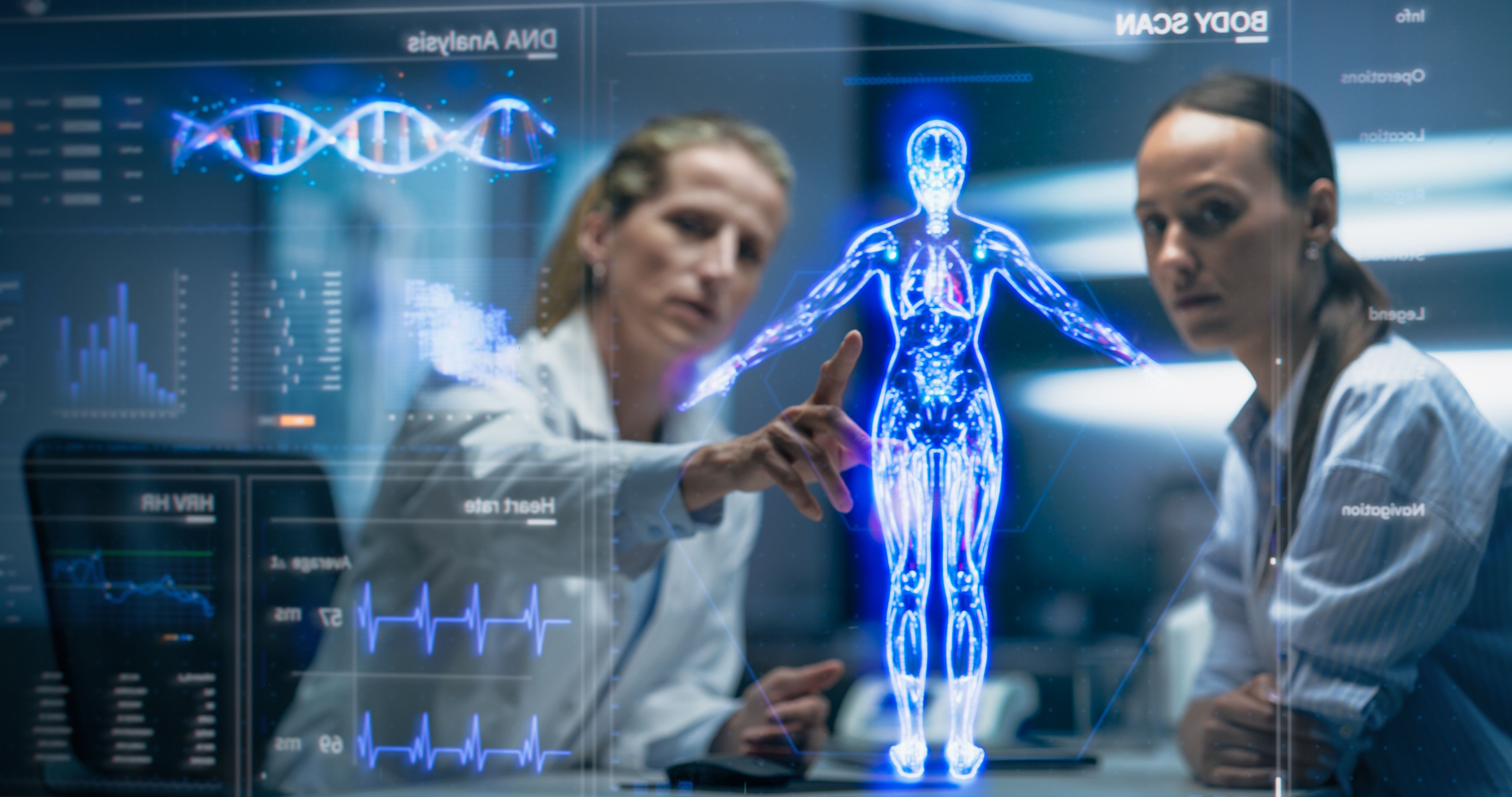
AI and machine learning are playing a pivotal role in revolutionizing diagnostics within medical equipment repair. These technologies facilitate faster and more accurate identification of equipment malfunctions, enabling swift corrective actions.
By implementing AI-driven diagnostics, healthcare providers can significantly reduce the time taken to troubleshoot and repair devices, thereby improving overall efficiency. This trend underscores the importance of embracing **cutting-edge technology** to stay ahead in the medical field.
Regulatory Compliance and Standardization
As the medical equipment industry grows, so does the importance of regulatory compliance and standardization. Ensuring that all equipment meets stringent regulatory standards is essential for both safety and reliability.
Many healthcare facilities are now investing in robust validation processes to guarantee compliance with national and international regulations. This includes regular audits and rigorous testing procedures to ensure that all equipment is functioning as required.
Sustainability and Eco-Friendly Practices
Sustainability is becoming a key focus in medical equipment repair. Many organizations are adopting eco-friendly practices to reduce their environmental impact. This includes recycling old parts and utilizing energy-efficient technologies in repair processes.
These sustainable practices not only benefit the environment but also enhance the reputation of healthcare providers as **responsible and forward-thinking** entities.

Remote Support and Virtual Assistance
With the advent of remote support and virtual assistance, healthcare facilities can now access expert help without the need for on-site visits. This trend is particularly beneficial for remote or underserved areas where access to skilled technicians may be limited.
Virtual assistance and remote diagnostics allow for quick problem resolution, ensuring that equipment downtime is minimized and patient care is not compromised.
Conclusion: Embracing Change in Medical Equipment Maintenance
The landscape of medical equipment repair and validation is rapidly changing, driven by technological advancements and a growing emphasis on sustainability and compliance. By staying informed about these trends, healthcare providers can enhance their operations, ensuring that they continue to deliver high-quality patient care.
As we move forward, embracing these innovations will be key to thriving in the increasingly complex world of medical technology.