
Innovative Trends in Medical Equipment Repair and Validation


Introduction to Medical Equipment Repair and Validation
The field of medical equipment repair and validation is evolving rapidly, driven by technological advancements and the increasing complexity of medical devices. This evolution is crucial in ensuring that medical equipment remains safe, effective, and compliant with regulatory standards. In this post, we explore some of the most innovative trends shaping this essential sector.
Remote Diagnostics and Predictive Maintenance
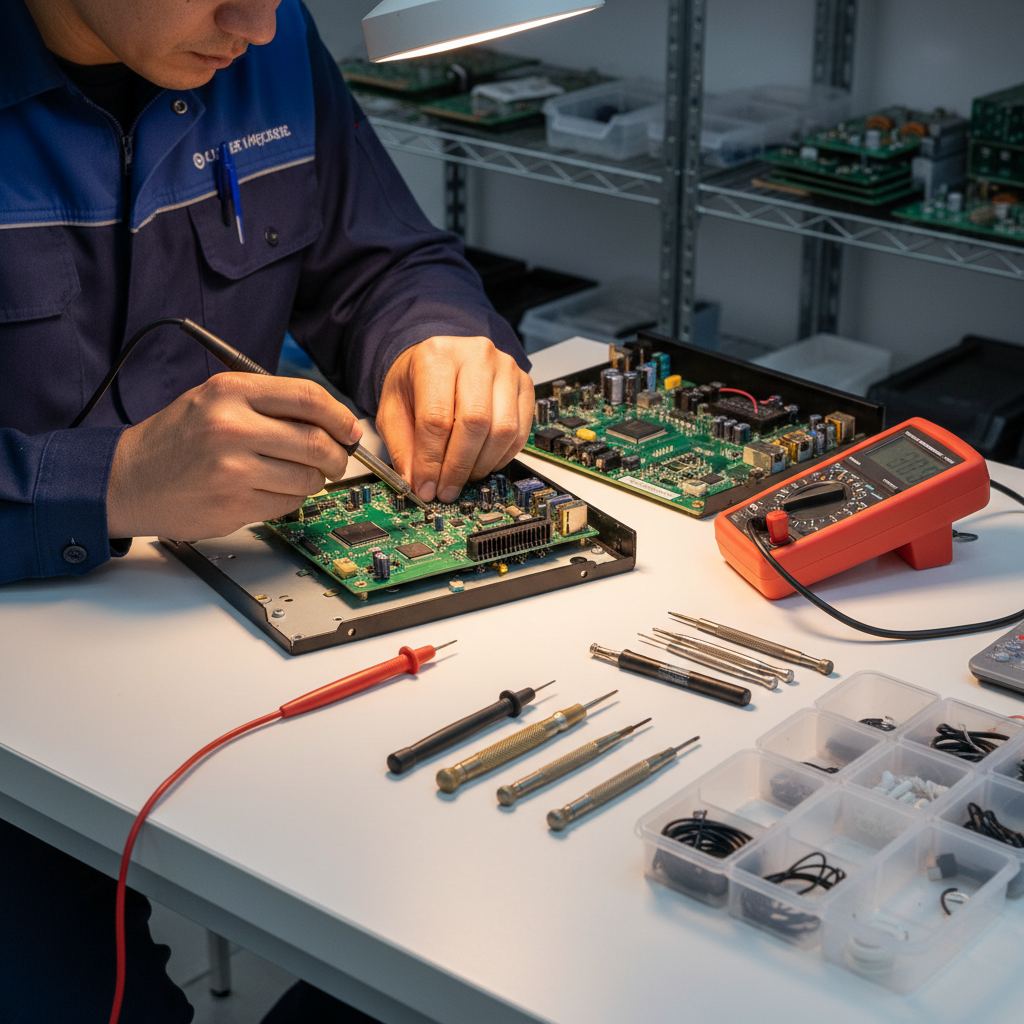
One of the most significant trends in medical equipment repair is the adoption of remote diagnostics. This technology allows technicians to assess equipment performance from a distance, identifying potential issues before they become critical. By utilizing Internet of Things (IoT) sensors, devices can send real-time data to service providers, enabling predictive maintenance strategies.
Predictive maintenance not only reduces downtime but also extends the lifespan of equipment. This approach relies on data analytics and machine learning algorithms to forecast when a device might fail, allowing for timely interventions and repairs.
Benefits of Predictive Maintenance
- Reduced equipment downtime
- Lower maintenance costs
- Increased equipment lifespan
Advanced Calibration Techniques
Calibration is a critical process in ensuring that medical equipment provides accurate measurements. Recent advancements in calibration techniques have improved the precision and reliability of medical devices. Automation and digital calibration tools are now commonly used, reducing human error and increasing efficiency.
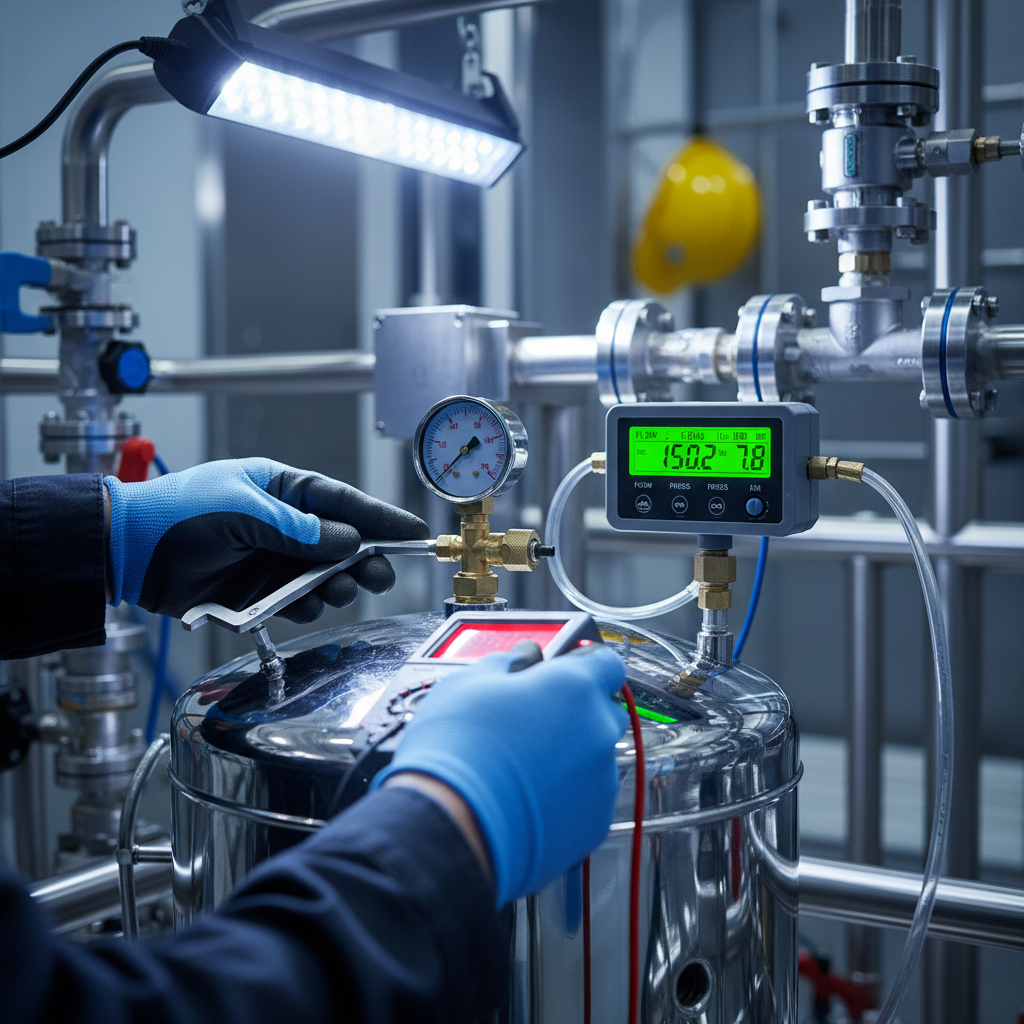
These techniques use sophisticated software to automatically adjust and verify equipment settings, ensuring compliance with industry standards. This level of precision is particularly important in fields such as radiology and laboratory diagnostics, where accuracy is paramount.
Integration of AI and Machine Learning
The integration of artificial intelligence (AI) and machine learning into medical equipment repair is transforming the industry. AI-driven systems can analyze vast amounts of data to identify patterns and predict potential equipment failures. This capability enhances the decision-making process, allowing technicians to focus on more complex tasks.
Machine learning algorithms can also improve the accuracy of diagnostic tools, leading to more effective repairs and validation procedures. As these technologies continue to evolve, their application in medical equipment maintenance will likely expand.

Regulatory Compliance and Cybersecurity
As medical devices become more interconnected, ensuring regulatory compliance and cybersecurity is increasingly important. New regulations require that medical equipment meets stringent security standards to protect patient data and device integrity. This has led to the development of advanced cybersecurity protocols and validation processes.
Technicians now need to be well-versed in both regulatory requirements and cybersecurity measures, making ongoing education and training essential in this field. By staying informed about the latest regulations, repair professionals can ensure that medical devices remain compliant and secure.
Conclusion
The landscape of medical equipment repair and validation is changing rapidly, driven by technological innovation and evolving regulatory standards. By embracing these trends, healthcare providers can ensure that their equipment remains reliable and effective. The integration of remote diagnostics, AI, and advanced calibration techniques is setting new standards for safety and performance in the medical field.