
Expert Tips for Extending the Life of Your Medical Equipment


Regular Maintenance
One of the most effective ways to extend the life of your medical equipment is through regular maintenance. Establish a maintenance schedule based on the manufacturer's guidelines to ensure your equipment functions optimally. Regular inspections can help identify potential issues before they become serious problems.
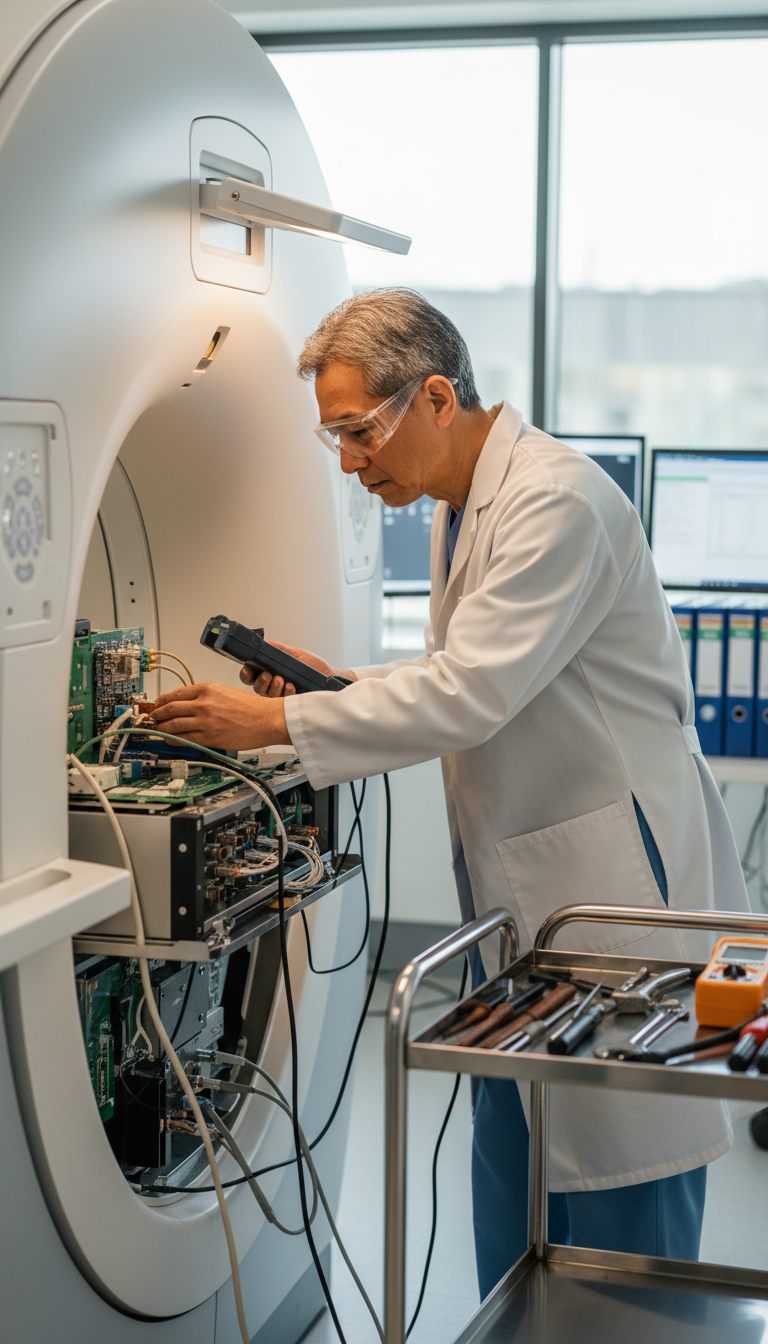
Consider hiring a professional technician to perform routine checks. These experts can provide detailed insights and identify wear and tear that might not be visible to the untrained eye. Keep a log of all maintenance activities for future reference and compliance.
Proper Cleaning and Disinfection
Proper cleaning and disinfection are crucial for both patient safety and equipment longevity. Use recommended cleaning agents and follow the manufacturer's instructions to avoid damaging sensitive components. Regular cleaning prevents the build-up of dirt and contaminants, which can lead to malfunctions.
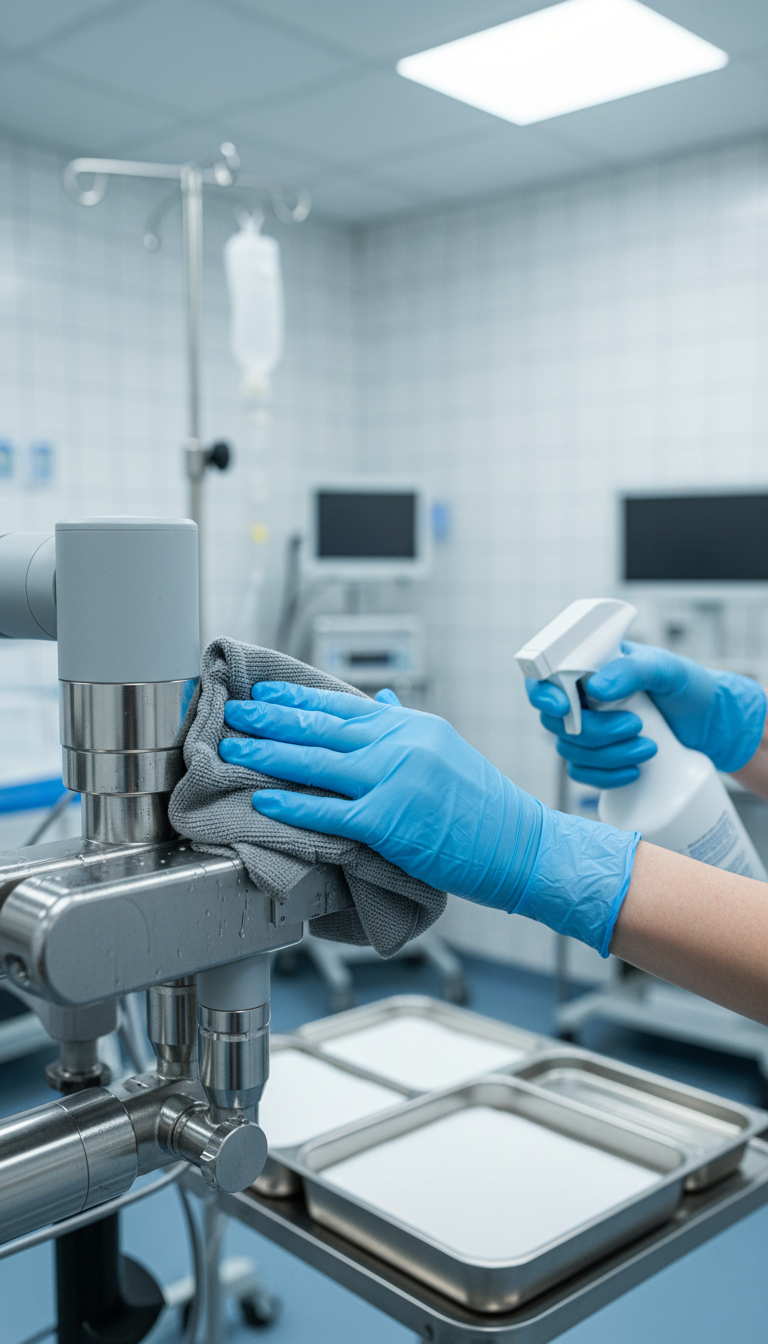
Train your staff on proper cleaning techniques to ensure consistency. Frequent disinfection not only extends the life of the equipment but also reduces the risk of infections spreading in your facility.
Staff Training and Usage
Ensure that all staff members are adequately trained in the correct use of medical equipment. Misuse or improper handling can significantly shorten the lifespan of the equipment. Provide regular training sessions to update staff on best practices and any new equipment or procedures.
Encourage employees to report any irregularities they notice during equipment operation. Early detection of issues can lead to quicker resolutions, minimizing downtime and repair costs.

Environmental Considerations
Environmental factors like temperature, humidity, and dust can impact the performance and longevity of medical equipment. Ensure that equipment is stored in appropriate conditions as specified by the manufacturer. Avoid placing equipment near heat sources or in damp areas.
Use protective covers for equipment that is not in use. This helps shield against dust and accidental spills, reducing the risk of damage.
Upgrading and Replacing Parts
Regularly assess the condition of parts that are subjected to wear and tear, such as batteries, filters, and tubing. Replacing these components at recommended intervals can prevent larger issues from developing. Always use manufacturer-approved parts to maintain equipment integrity.
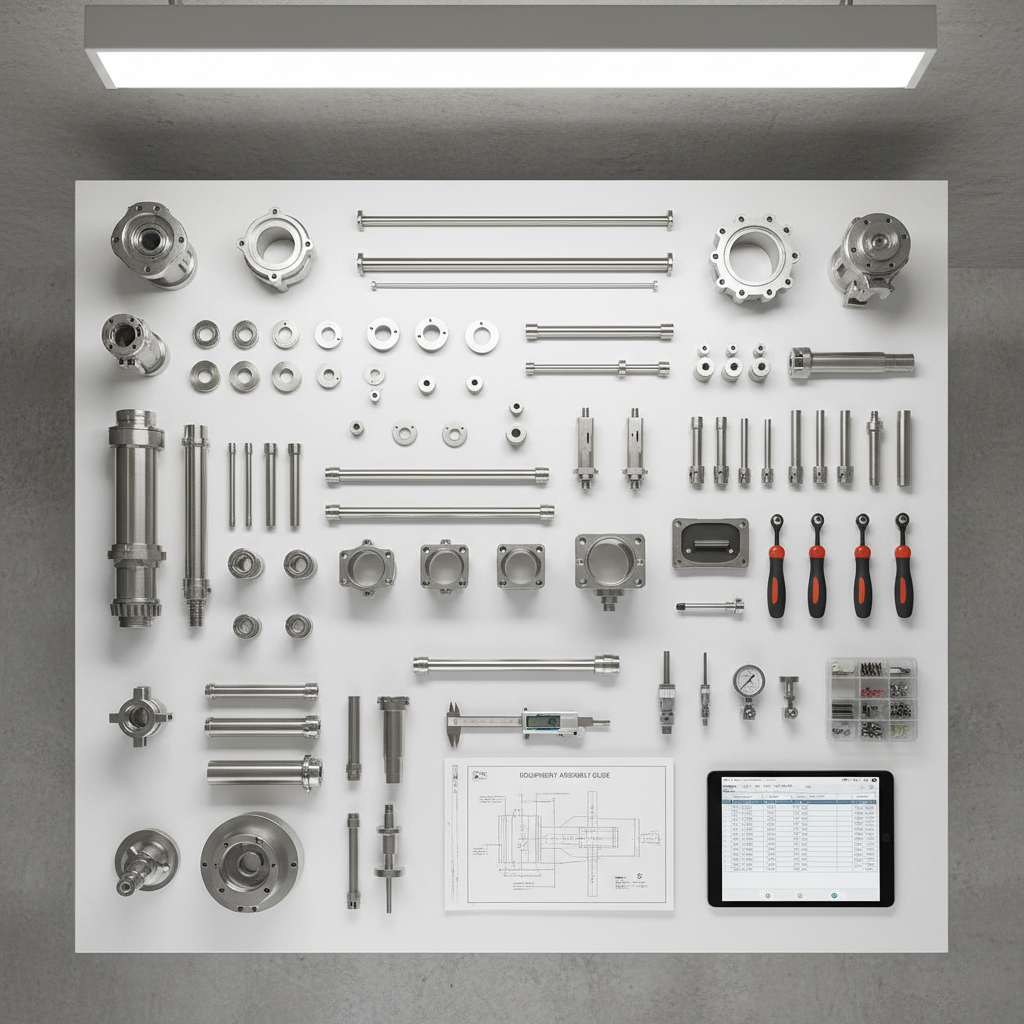
Consider upgrading software or firmware as updates become available. These updates often include improvements that can enhance the functionality and efficiency of the equipment.
Documentation and Record Keeping
Maintain detailed records of all maintenance and repairs. Documentation helps track the equipment's history and can be invaluable for troubleshooting. This information is also essential for ensuring compliance with industry regulations and standards.
Regular audits of these records can help identify trends and potential areas for improvement in equipment management strategies.