
DIY Tips for Routine Medical Equipment Checks


Maintaining medical equipment in top condition is crucial for ensuring patient safety and the smooth operation of healthcare facilities. Regular checks can prevent unexpected breakdowns and prolong the life of the equipment. Here are some DIY tips for routine medical equipment checks that can be easily implemented.
Understanding the Basics of Medical Equipment Maintenance
Before diving into the specifics, it's important to understand the basic principles of equipment maintenance. Equipment should be checked for cleanliness, functionality, and any signs of wear and tear. Regular checks can help identify issues before they become major problems.
Creating a Maintenance Schedule
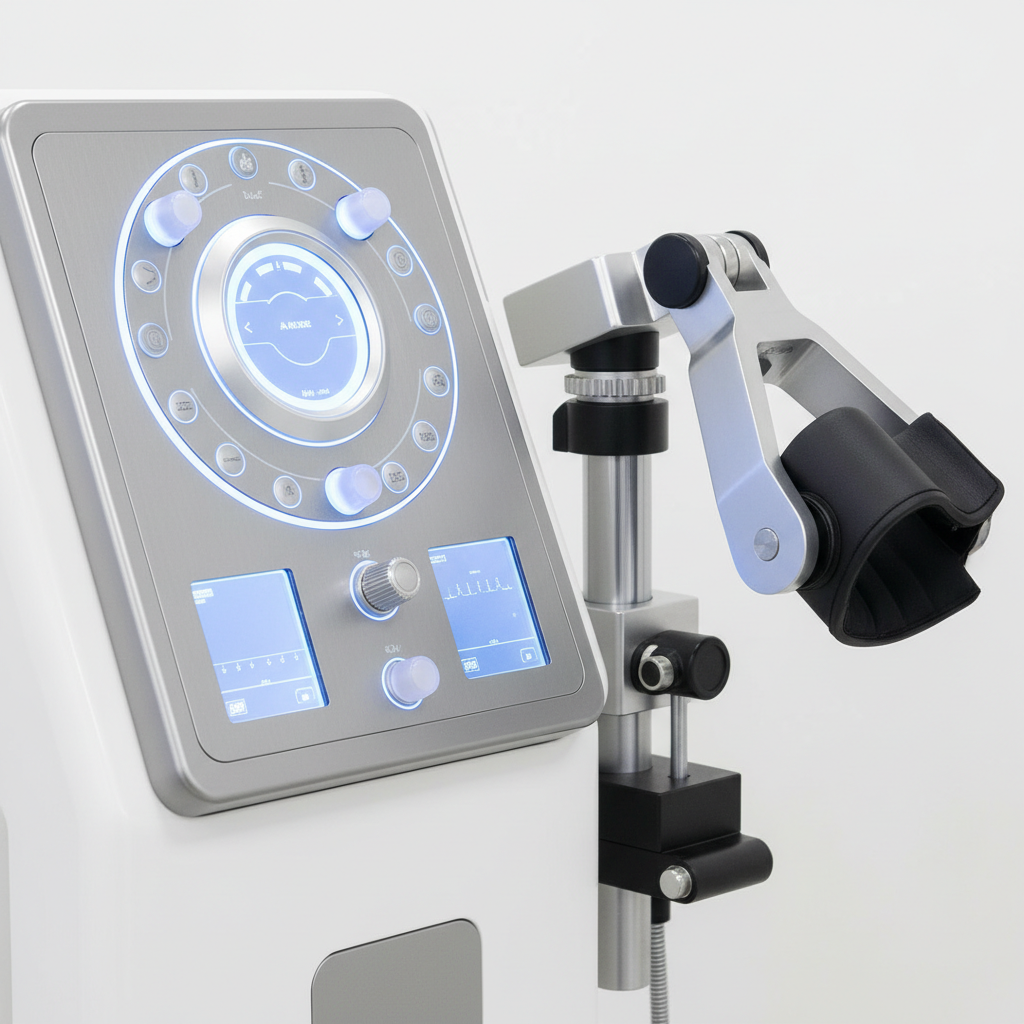
Consistency is key when it comes to equipment checks. Creating a maintenance schedule ensures that checks are performed regularly. This schedule should include daily, weekly, and monthly tasks, each tailored to the specific needs of the equipment.
- Daily checks: Visual inspections and basic functionality tests.
- Weekly checks: More detailed inspections, including cleaning and minor repairs.
- Monthly checks: Comprehensive assessments, including calibration and software updates.
Essential Tools for DIY Equipment Checks
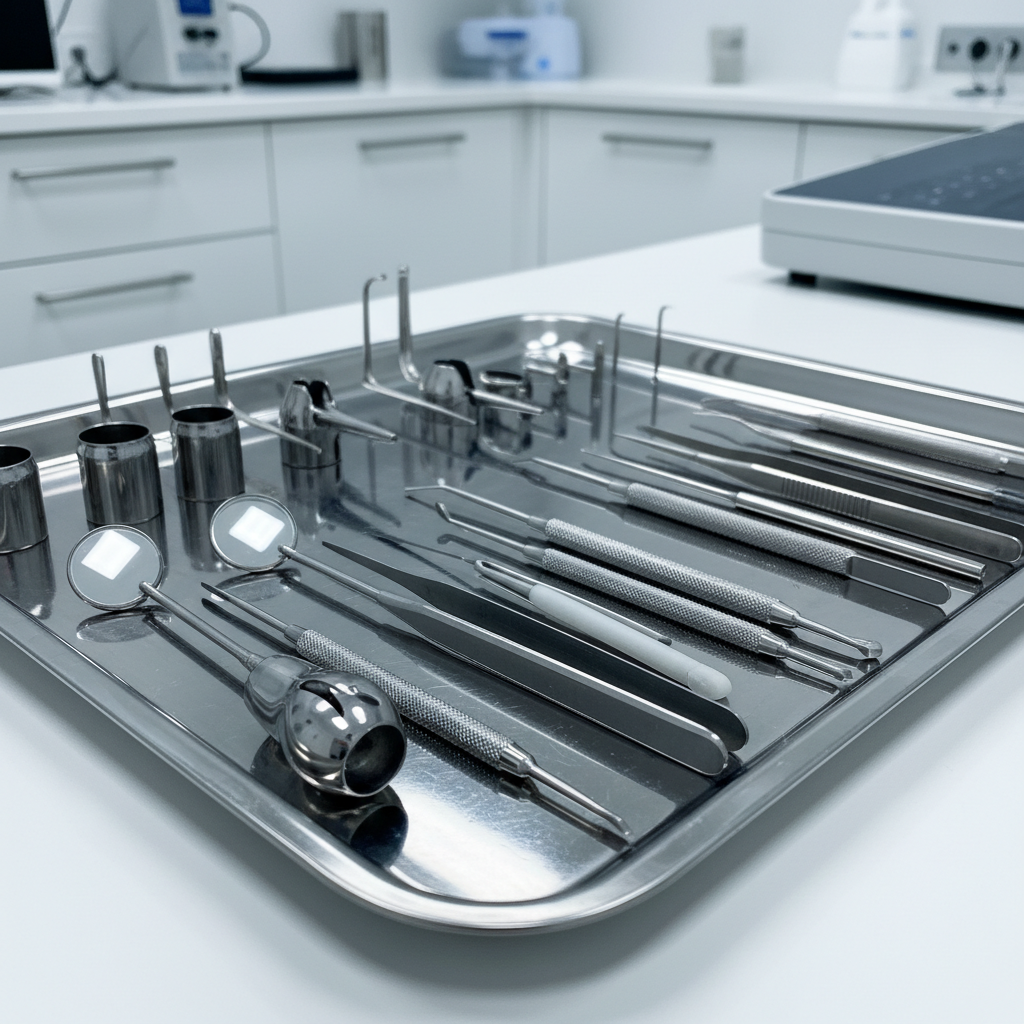
Having the right tools on hand can make routine checks more efficient. Basic tools such as screwdrivers, multimeters, and cleaning supplies are often sufficient for most tasks. It's also helpful to have a checklist specific to each piece of equipment.
Step-by-Step Guide to Equipment Checks
Here’s a simple step-by-step guide for conducting routine checks:
- Visual Inspection: Look for any obvious signs of damage or wear.
- Functionality Test: Ensure that all functions of the equipment are working as expected.
- Cleaning: Use appropriate cleaning agents to keep the equipment hygienic.
- Documentation: Record any findings and actions taken for future reference.
Troubleshooting Common Issues
During regular checks, you might encounter common issues such as loose connections, software glitches, or calibration errors. Learning basic troubleshooting techniques can help resolve these issues quickly. For more complex problems, consult the equipment’s manual or contact a professional.
When to Call a Professional
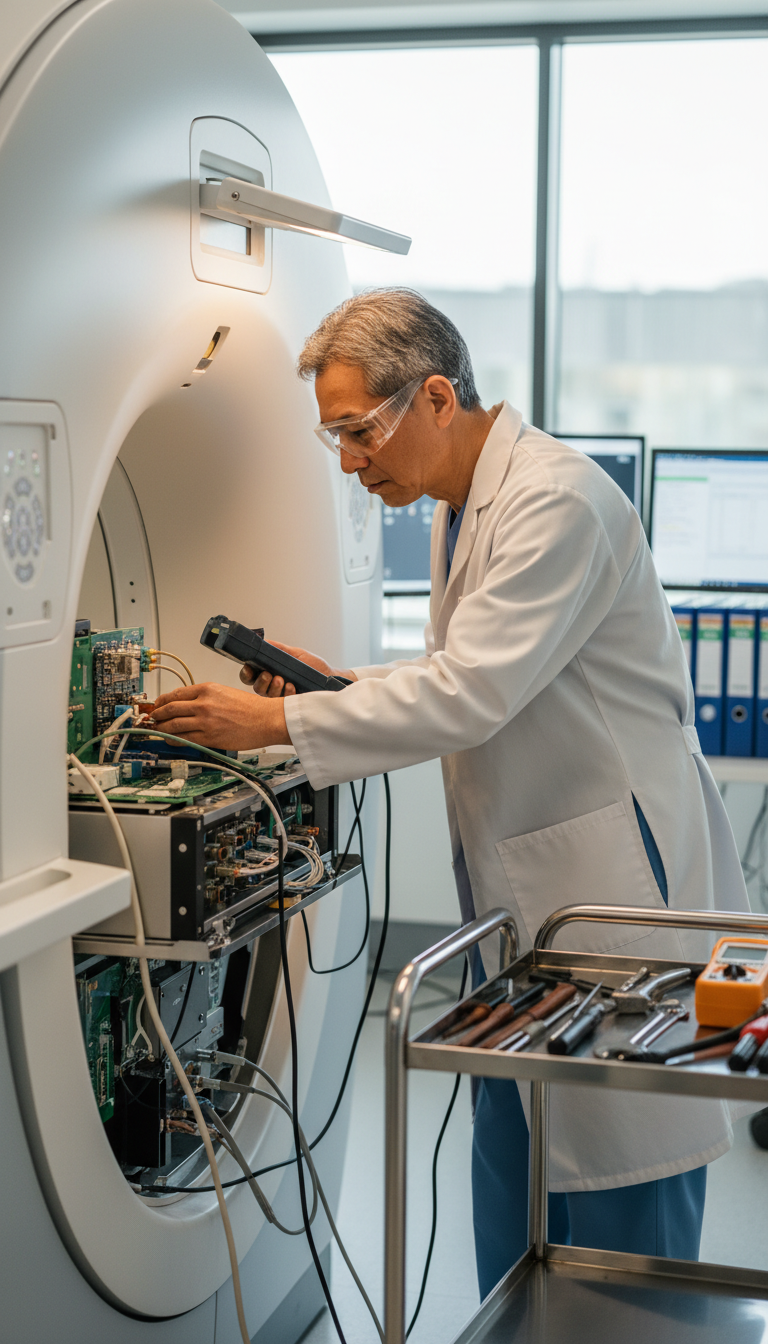
While DIY checks can handle many routine issues, some problems require professional intervention. If equipment consistently fails checks or shows signs of major malfunction, it's crucial to contact a certified technician. Attempting to repair complex issues without proper expertise can lead to further damage.
In conclusion, regular DIY checks of medical equipment are an effective way to maintain functionality and safety. By following these tips, healthcare facilities can ensure their equipment remains reliable and ready for use at all times.