
DIY Tips for Basic Medical Equipment Maintenance


Understanding Basic Medical Equipment Maintenance
Regular maintenance of medical equipment is crucial for ensuring both safety and functionality. Even basic equipment needs attention to prevent malfunctions that could lead to inaccurate readings or even harm. Here are some DIY tips to help you maintain your medical tools effectively.
Before diving into maintenance tasks, it's essential to know the equipment. Read the manufacturer's manual thoroughly to understand the specific requirements and recommendations for each device. This knowledge will guide you in performing routine checks and maintenance accurately.
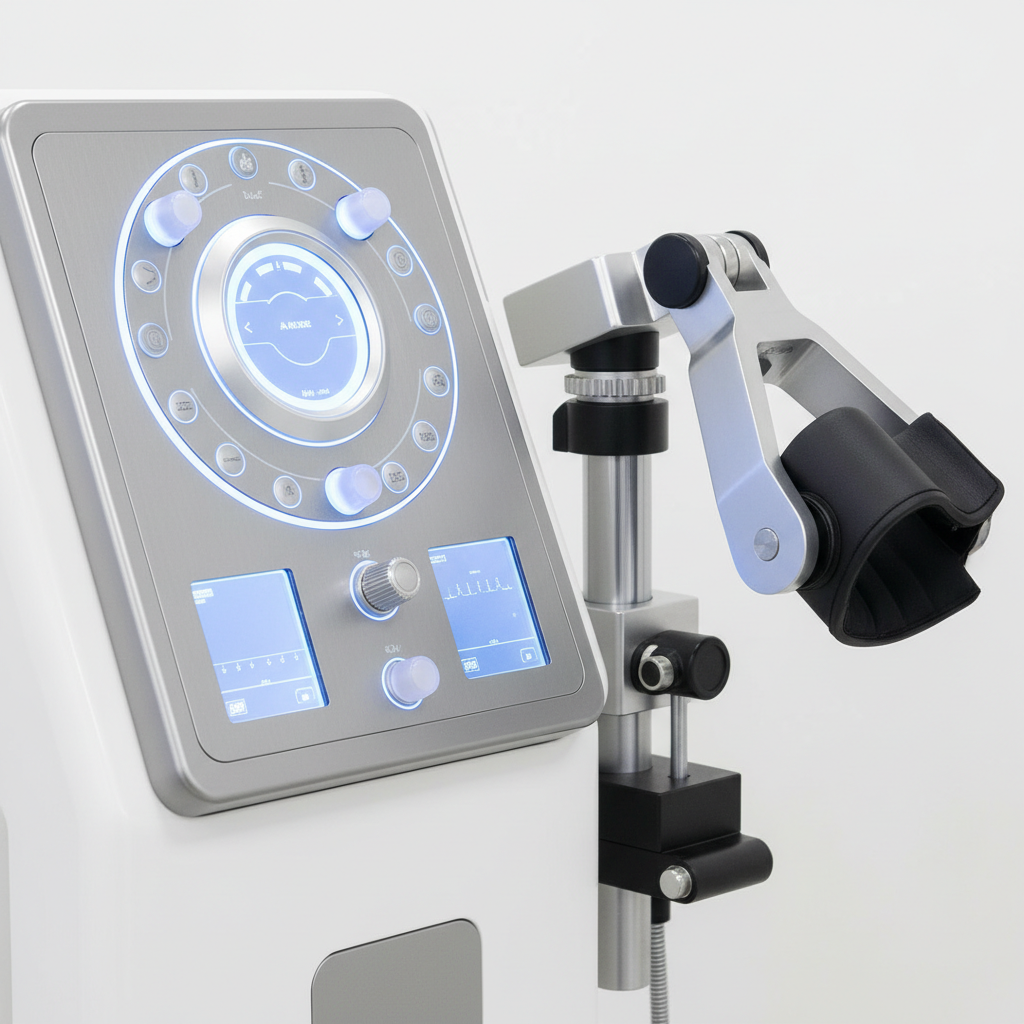
Cleaning and Sanitization
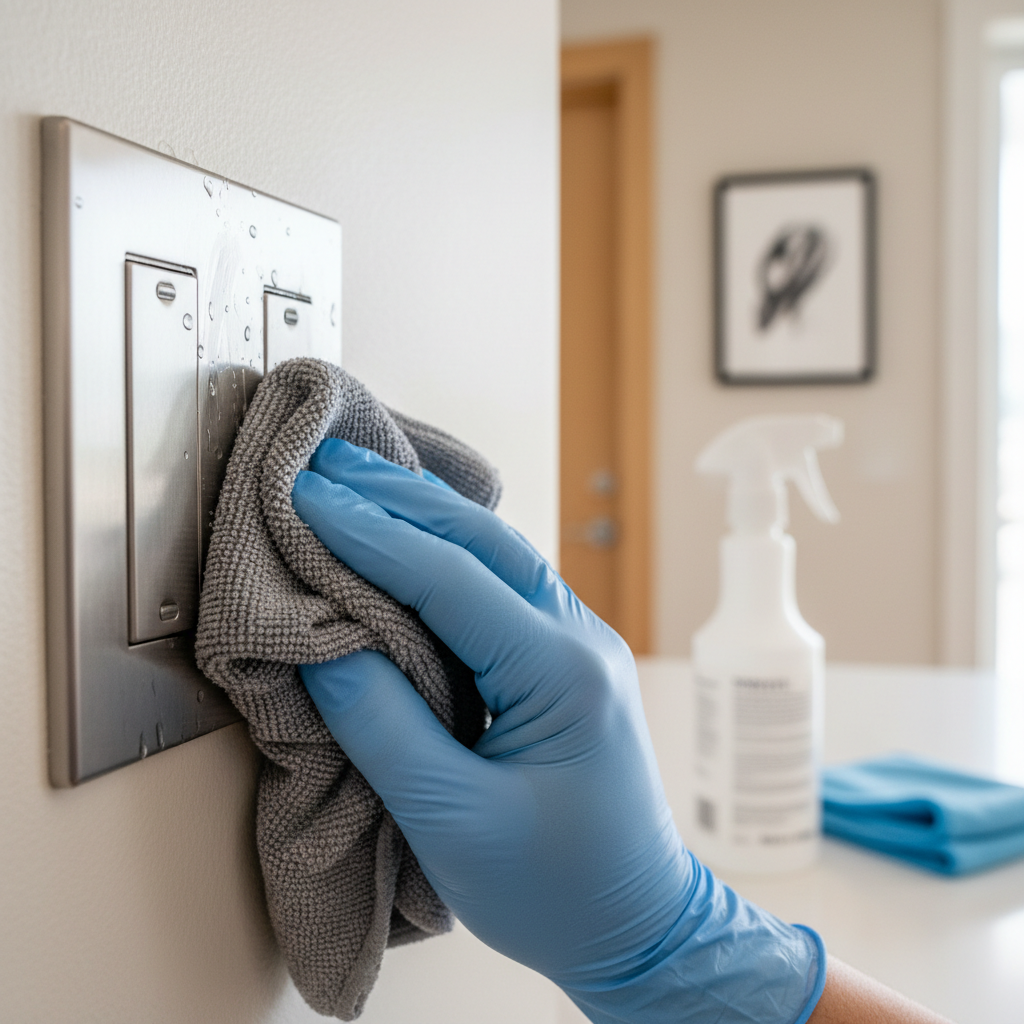
One of the simplest yet most important maintenance tasks is regular cleaning. Dust and grime can accumulate on equipment, affecting performance. Use a soft cloth dampened with a mild detergent to clean surfaces. Ensure you avoid harsh chemicals that could damage sensitive components.
Sanitization is equally important, especially for equipment that comes into contact with patients. Use alcohol-based wipes or solutions approved for medical equipment to disinfect surfaces. Regular sanitization helps prevent the spread of infections.
Inspecting for Wear and Tear
Routine inspections can help identify signs of wear and tear early. Check for cracks, frayed cords, or loose parts. These issues can compromise the safety and effectiveness of the equipment. If you notice any damage, repair or replace the affected parts promptly.
For battery-operated devices, ensure the batteries are in good condition. Replace them as needed to prevent leakage or power failure during use. Keep spare batteries on hand to avoid interruptions.

Calibration and Testing
Calibration ensures that medical equipment provides accurate measurements. Depending on the device, this may need to be done periodically. Follow the manufacturer's guidelines for calibration procedures, or consult a professional if you're unsure.
Testing equipment functionality is also vital. Perform routine tests to confirm that everything operates correctly. This practice helps catch potential issues before they become significant problems.
Storing Equipment Properly
Proper storage extends the life of your medical equipment. Store devices in a clean, dry environment away from direct sunlight. Avoid stacking items, as this can cause damage to delicate components.
For portable equipment, use protective cases or covers to prevent dust accumulation and physical damage during transport. This precaution is especially important for devices with screens or delicate sensors.
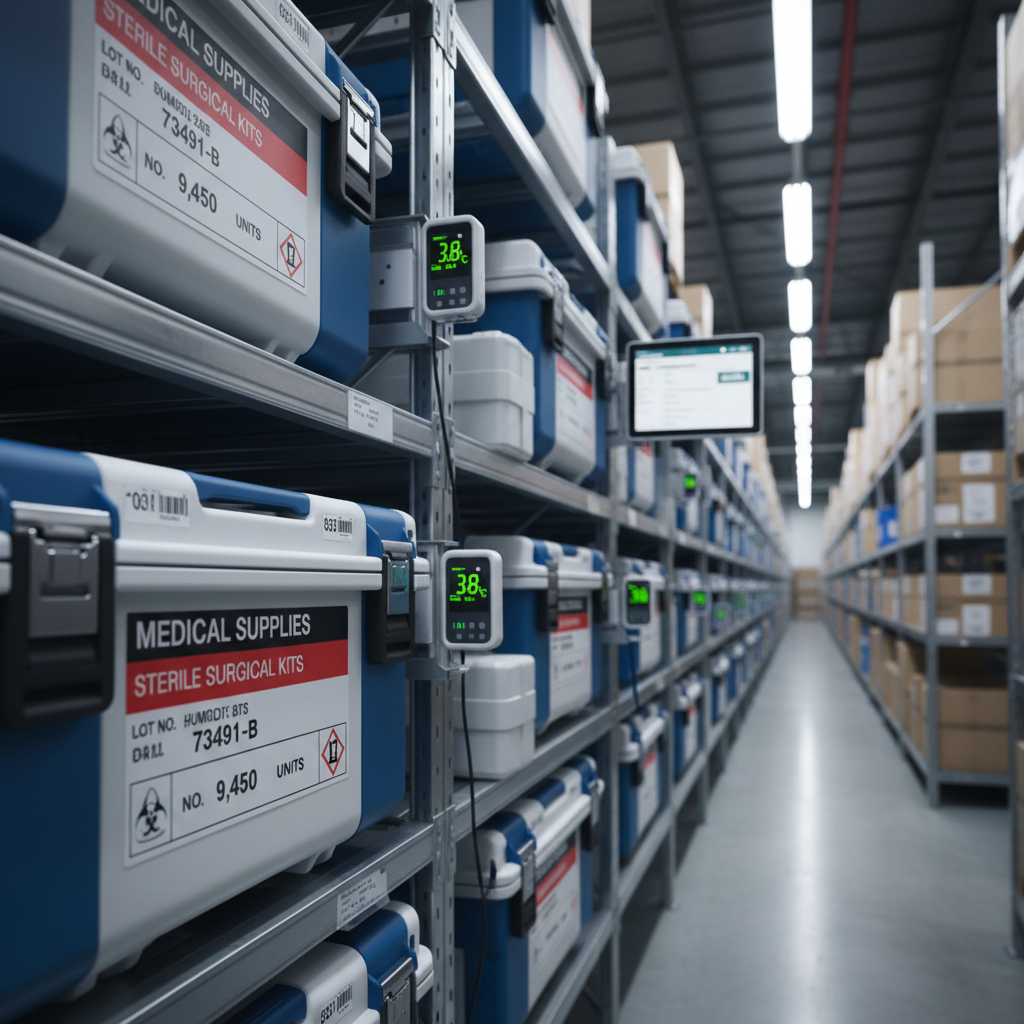
Keeping Records
Maintaining detailed records of your equipment maintenance activities is beneficial. Record each cleaning, inspection, and calibration session. These records provide a reference for future maintenance and help track the equipment's condition over time.
Regular maintenance not only prolongs the life of your equipment but also ensures it's safe and ready for use. Adopting these DIY tips can save you time and money while promoting a healthier, safer environment for everyone involved.