
DIY Tips for Basic Medical Equipment Maintenance


Introduction to Medical Equipment Maintenance
Maintaining medical equipment is crucial for ensuring its longevity and reliability. Whether you're managing a healthcare facility or maintaining equipment at home, understanding some basic maintenance tips can save time and costs. In this guide, we'll explore essential DIY tips to keep your medical equipment in top condition.
Regular Cleaning and Inspection
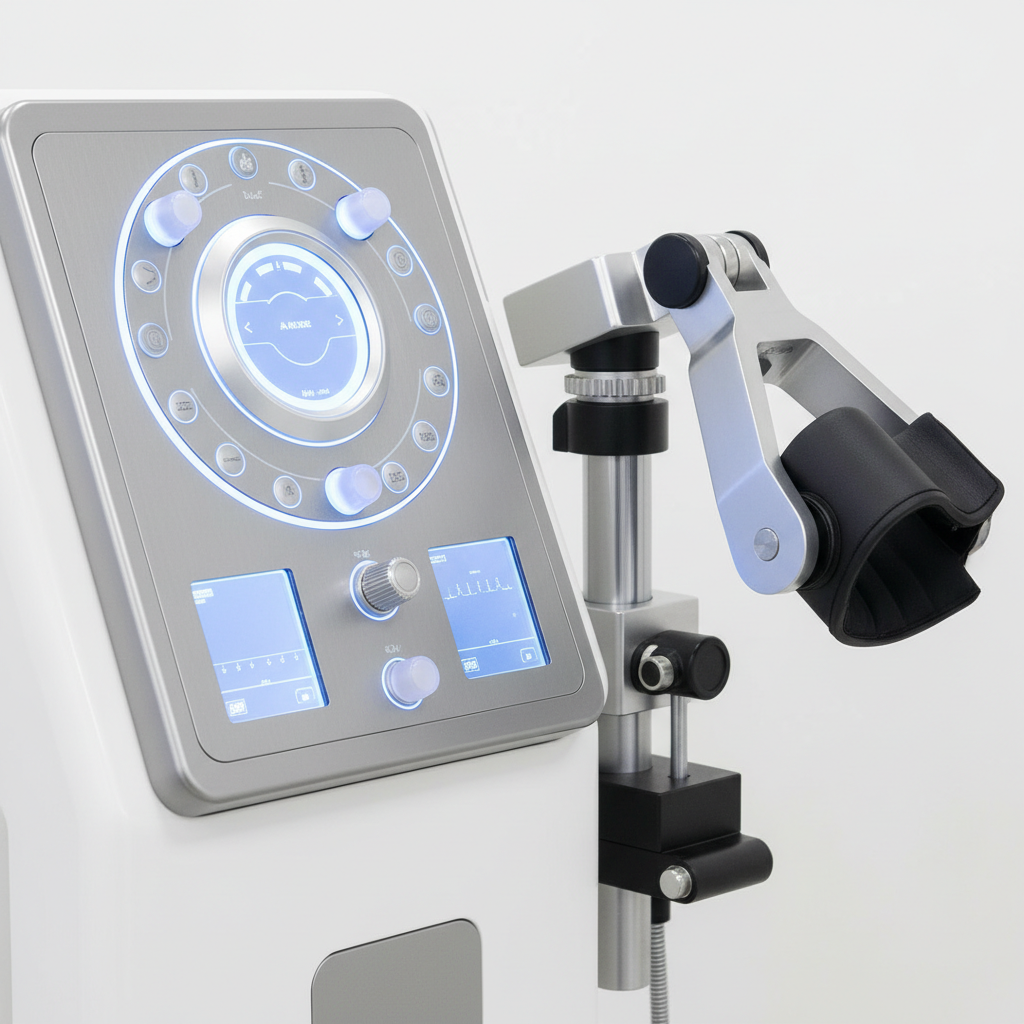
Regular cleaning is fundamental for any medical equipment. Dust and dirt can accumulate and affect functionality. Use a soft, damp cloth to wipe surfaces and ensure that all components are free from debris. Additionally, inspect equipment for any visible signs of wear or damage, such as cracks or loose parts.
Make sure to check the manual for any specific cleaning instructions. Some equipment may require special cleaning agents, while others may only need a simple wipe-down. Performing regular inspections can help identify issues before they become major problems.
Battery Maintenance and Replacement
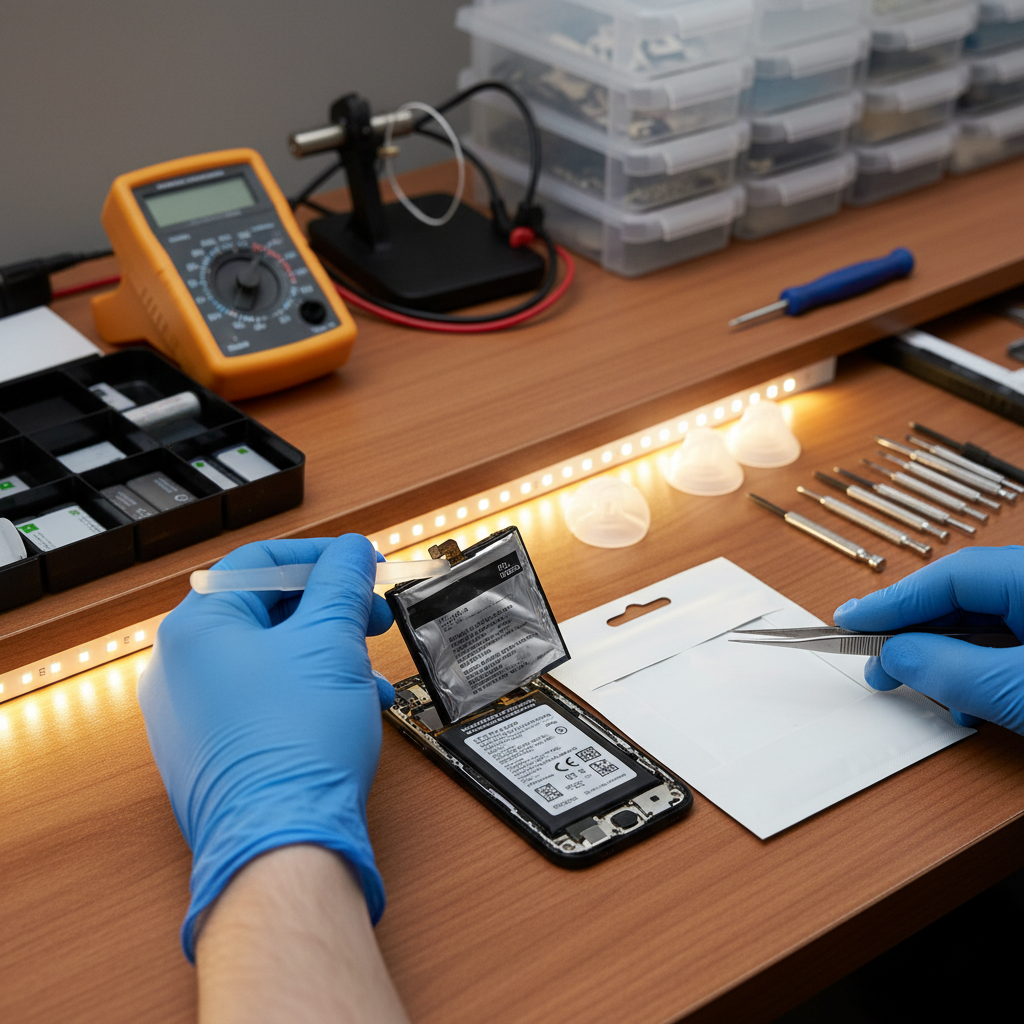
Many medical devices rely on batteries for operation. It’s important to regularly check battery levels and replace them as needed. Always keep spare batteries on hand for devices like blood pressure monitors and digital thermometers.
To extend battery life, avoid exposing devices to extreme temperatures and remove batteries if the equipment will not be used for an extended period. Proper battery maintenance ensures that your equipment is ready when you need it most.
Calibration and Testing
Calibration is vital to ensure that medical equipment provides accurate readings. Some devices have built-in calibration functions, while others may require professional servicing. Regularly test equipment, such as glucometers and blood pressure monitors, against known standards to verify accuracy.
If you notice any discrepancies in readings, consult the device’s manual for calibration instructions or seek professional assistance. Proper calibration and testing help maintain the reliability of your equipment.
Software Updates and Documentation
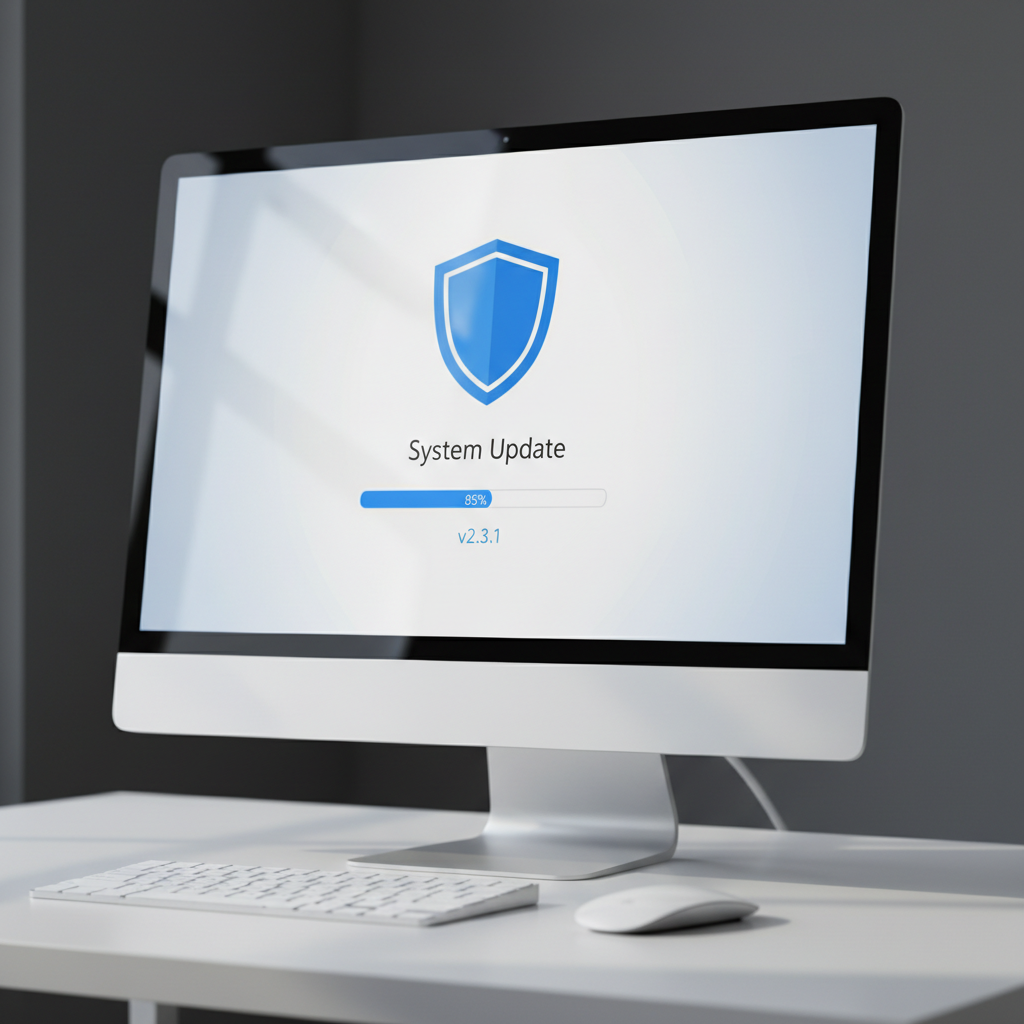
For devices with digital interfaces, keeping software up-to-date is essential. Manufacturers often release updates to improve functionality or fix bugs. Regularly check for updates and install them as needed to keep your equipment running smoothly.
Additionally, maintain a log of maintenance activities, including cleaning, inspections, and repairs. This documentation can be invaluable for identifying recurring issues and ensuring compliance with any regulatory requirements.
Storage and Handling
Proper storage and handling are critical for maintaining the integrity of medical equipment. Store devices in a clean, dry environment and avoid stacking heavy items on top of them. Use protective cases or covers to prevent dust accumulation and physical damage.
Handle equipment with care, following any specific instructions provided in the manual. Careful storage and handling can significantly extend the life of your medical equipment.
Conclusion
Basic maintenance of medical equipment is not only about keeping devices clean but also ensuring they function correctly and safely. By following these DIY tips, you can help prevent malfunctions and prolong the life of your equipment, ensuring it is ready whenever you need it.
Remember, while DIY maintenance is valuable, some tasks may require professional expertise. Don't hesitate to seek professional help for complex repairs or calibrations. Proper care and maintenance can make a significant difference in the performance and reliability of your medical equipment.