
DIY Maintenance Tips for Common Medical Equipment Issues


Introduction to DIY Maintenance
Maintaining medical equipment is crucial for ensuring it functions properly and safely. While some tasks require professional attention, there are several DIY maintenance tips that can help you address common issues. This guide will walk you through some simple, effective strategies.
Regular Cleaning and Inspection
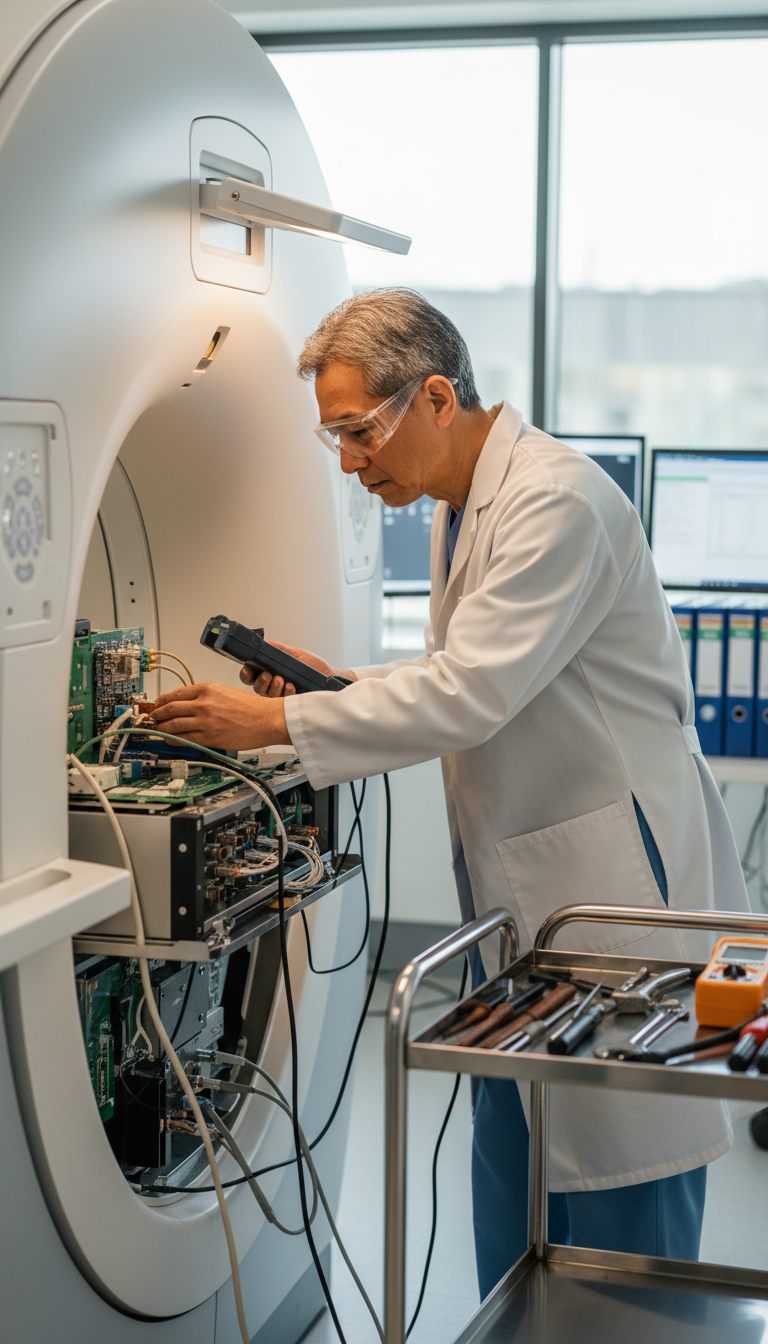
One of the simplest ways to maintain medical equipment is through regular cleaning. Dust and debris can accumulate, affecting performance. Use a mild detergent and soft cloth to clean surfaces, ensuring no moisture enters any electrical components.
Inspecting for Wear and Tear
Regularly inspect your equipment for signs of wear and tear, such as frayed wires or loose parts. Tighten screws and replace worn-out components to prevent further damage.
Calibrating Equipment
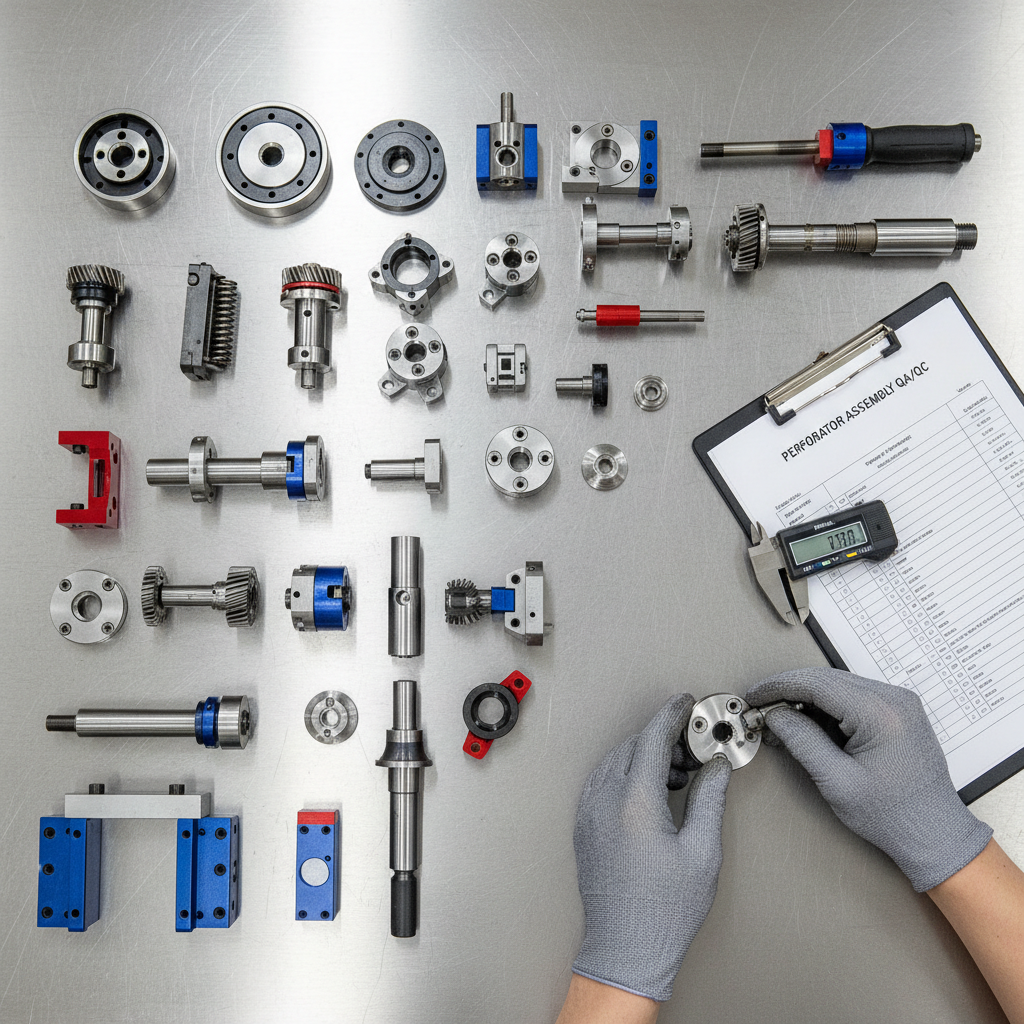
Calibration is essential for ensuring accuracy in medical devices. Refer to the manufacturer's manual for specific calibration instructions. Many devices have built-in calibration features that you can easily access and adjust.
Using Test Weights and Tools
For equipment like scales or monitors, use test weights or calibration tools to verify accuracy. This simple step can prevent significant measurement errors that could affect patient care.
Battery Maintenance
Many medical devices rely on batteries. Ensure they are functioning optimally by charging them fully and replacing them as needed. Avoid overcharging, as it can shorten battery life.
Storing Batteries Correctly
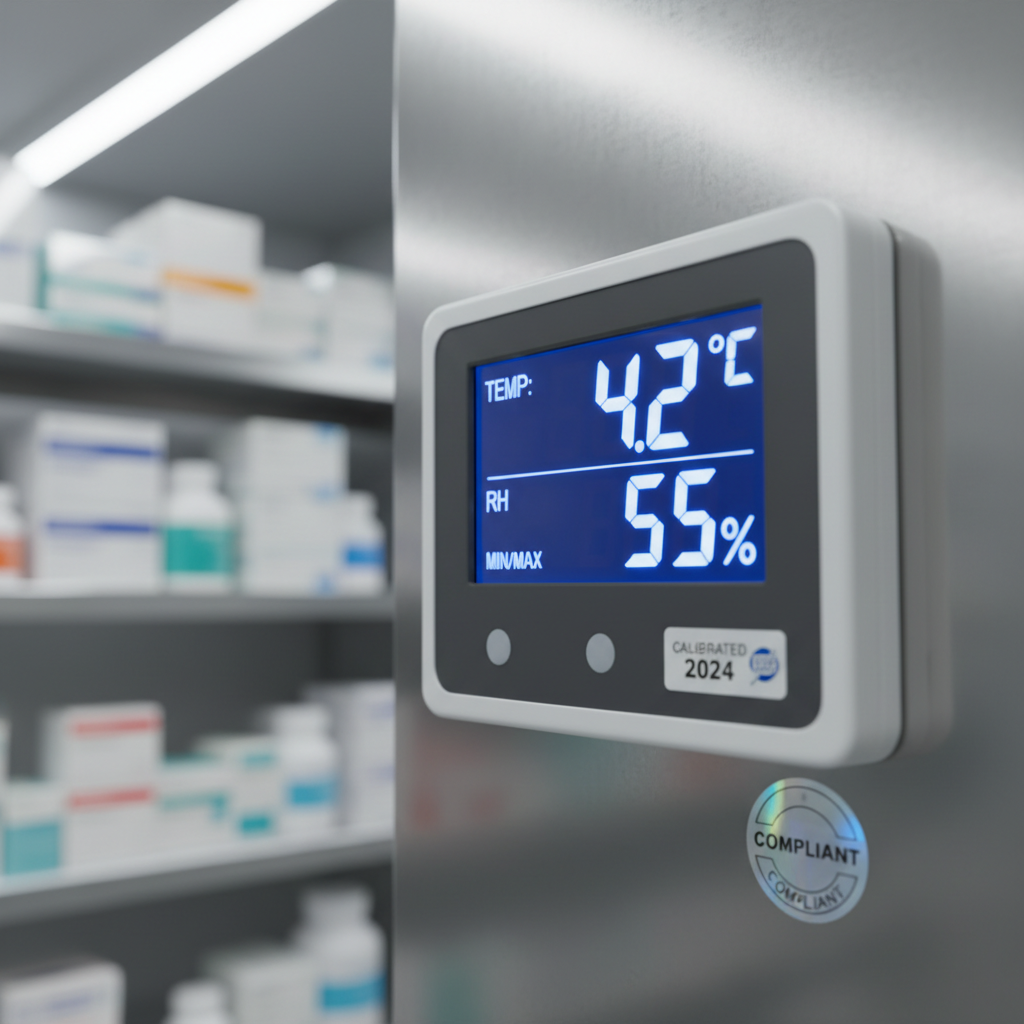
Store batteries in a cool, dry place when not in use. Extreme temperatures can affect their performance and lifespan. Always have spare batteries on hand for critical devices.
Final Thoughts
By following these DIY maintenance tips, you can extend the life of your medical equipment and ensure its reliability. Regular attention to cleaning, inspection, calibration, and battery care can make a significant difference in performance and safety.
Remember, while DIY maintenance is beneficial, some issues require professional attention. If you're ever in doubt, consult a qualified technician to prevent potential hazards.