
Case Study: Successful Medical Equipment Validation in a Jeddah Hospital


Introduction to Medical Equipment Validation
In the healthcare industry, ensuring the reliability and safety of medical equipment is paramount. Equipment validation is a critical process that verifies the performance and compliance of medical devices before they are put into use. This case study explores the successful validation of medical equipment in a Jeddah hospital, highlighting the steps and outcomes of this essential procedure.
The Need for Equipment Validation
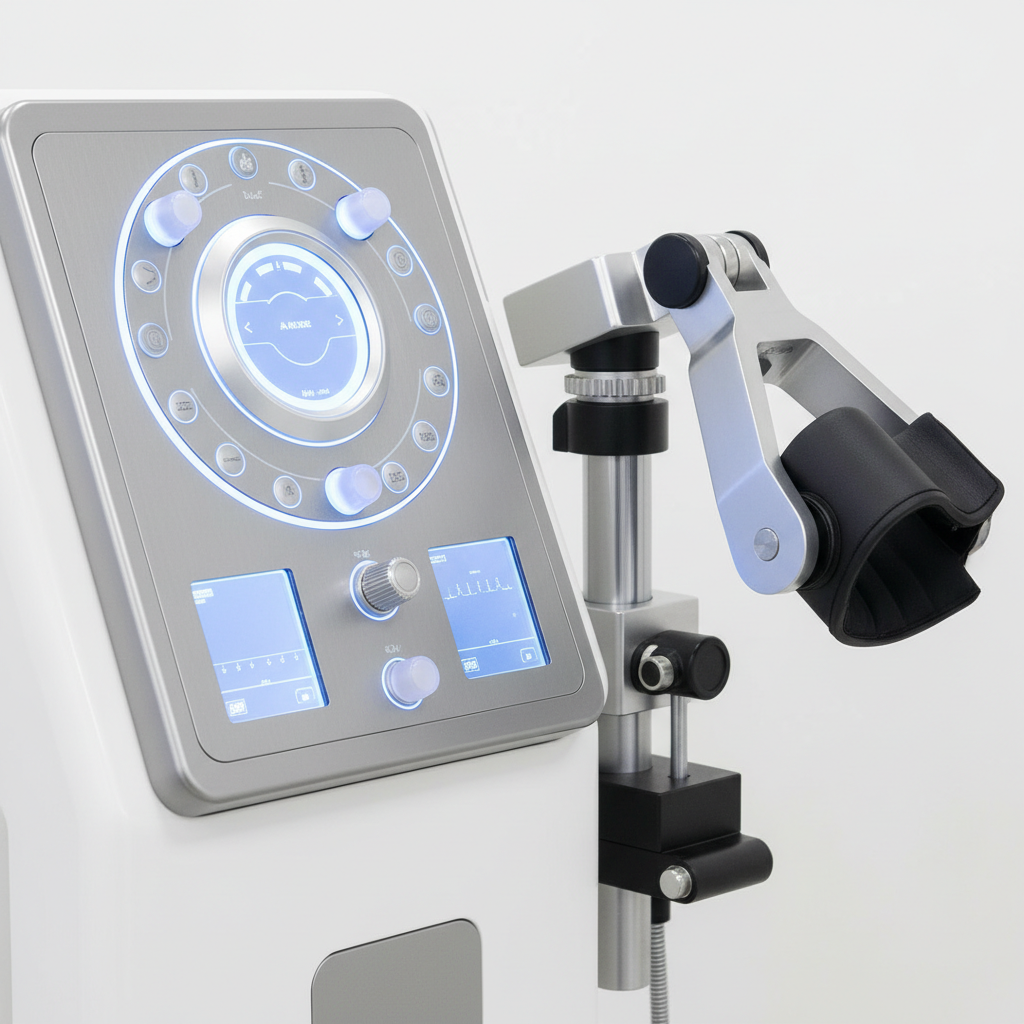
Medical equipment validation is not just a regulatory requirement; it is a fundamental aspect of patient safety and care quality. Hospitals in Jeddah, like many around the world, are increasingly focusing on robust validation processes to minimize risks and enhance operational efficiency. By validating equipment, hospitals ensure that devices function as intended, reducing the likelihood of malfunctions that could compromise patient care.
Key Steps in the Validation Process
The validation of medical equipment involves several critical steps. These include:
- Planning: Establishing a validation plan that outlines the scope, objectives, and procedures.
- Installation Qualification (IQ): Verifying that equipment is installed correctly and according to manufacturer specifications.
- Operational Qualification (OQ): Testing the equipment to ensure it operates within specified parameters.
- Performance Qualification (PQ): Confirming that the equipment performs effectively in a real-world setting.
Implementation in a Jeddah Hospital
The Jeddah hospital undertook a comprehensive equipment validation project to enhance its service delivery. The process began with meticulous planning, where the hospital's management collaborated with technical experts to develop a robust validation strategy. This collaborative approach ensured that all potential challenges were addressed proactively.
Challenges and Solutions
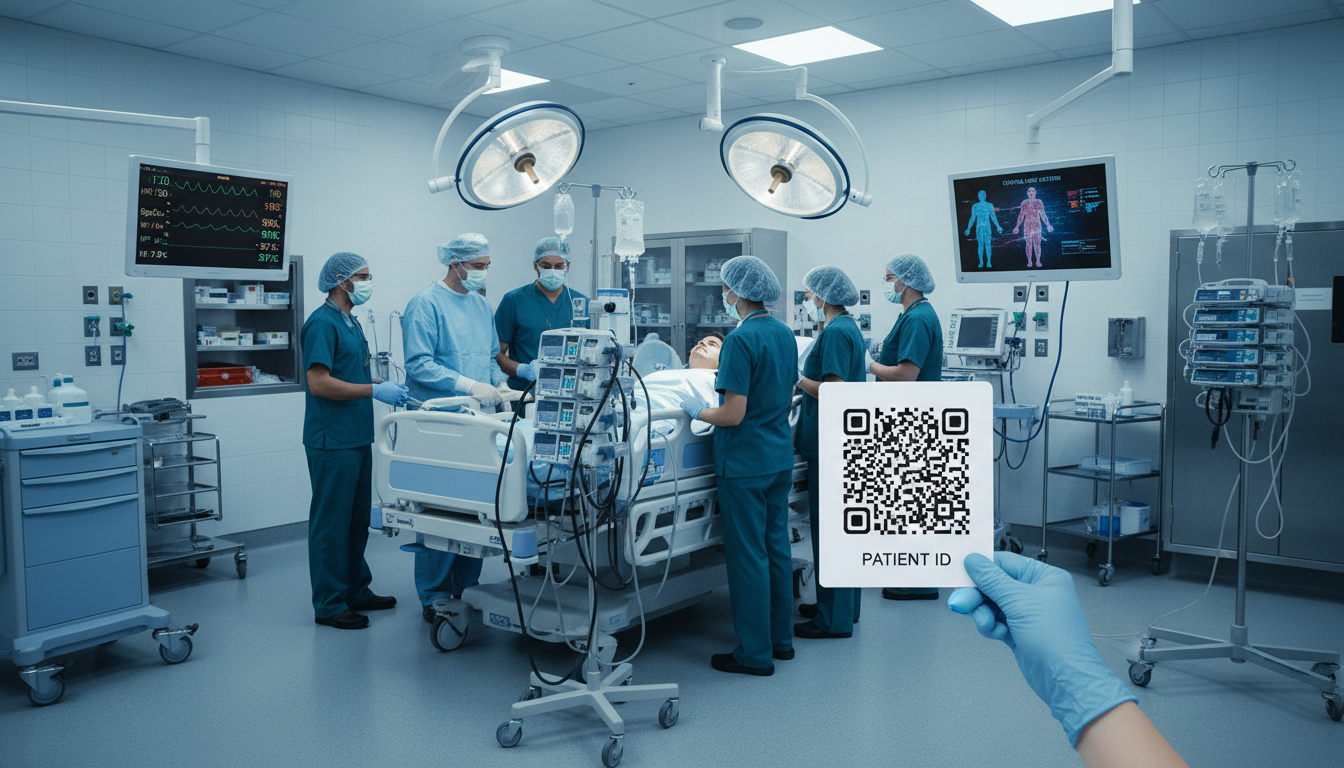
During the validation process, the hospital faced several challenges, including supply chain disruptions and limited access to technical support. To overcome these hurdles, the hospital leveraged local resources and expertise, ensuring that the validation process remained on track. Additionally, the hospital adopted innovative solutions, such as virtual training sessions, to equip staff with the necessary skills and knowledge.
Outcomes and Benefits
The successful validation of medical equipment in the Jeddah hospital led to numerous benefits. These included improved patient safety, enhanced compliance with international standards, and increased confidence among healthcare providers. The validation process also contributed to the hospital's reputation as a center of excellence in healthcare delivery.

Lessons Learned
One of the key lessons learned from this case study is the importance of a well-structured validation plan. Hospitals must invest in training and resources to ensure the seamless execution of validation processes. Additionally, collaboration with external experts can provide valuable insights and facilitate the adoption of best practices.
Conclusion
Medical equipment validation is a critical aspect of healthcare management that cannot be overlooked. The Jeddah hospital's successful validation project serves as a model for other healthcare institutions aiming to enhance their operational standards. By prioritizing equipment validation, hospitals can ensure the highest levels of safety and quality in patient care.