
Case Study: Successful Medical Equipment Repair Projects in Jeddah


Introduction to Medical Equipment Repair in Jeddah
In the bustling city of Jeddah, the medical sector is continuously evolving, demanding high standards of care and operational efficiency. A critical component of this sector is the regular maintenance and repair of medical equipment. This article delves into successful medical equipment repair projects that have made a significant impact in Jeddah's healthcare facilities.
Enhancing Equipment Longevity
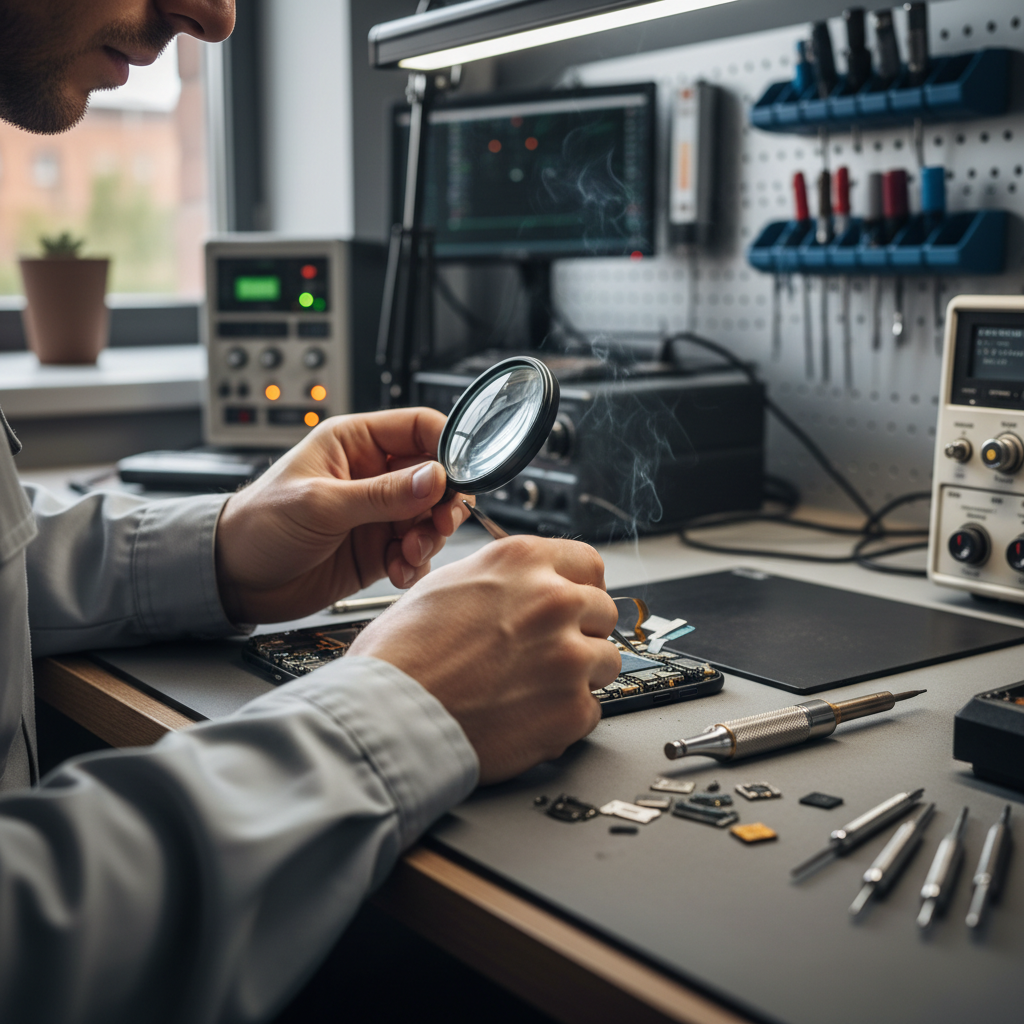
One of the primary goals of any repair project is to enhance the longevity of medical equipment. By implementing a structured maintenance schedule, hospitals in Jeddah have been able to extend the lifespan of their devices significantly. Regular inspections and timely interventions have prevented minor issues from escalating into major failures.
Case Study: Al Salam Hospital
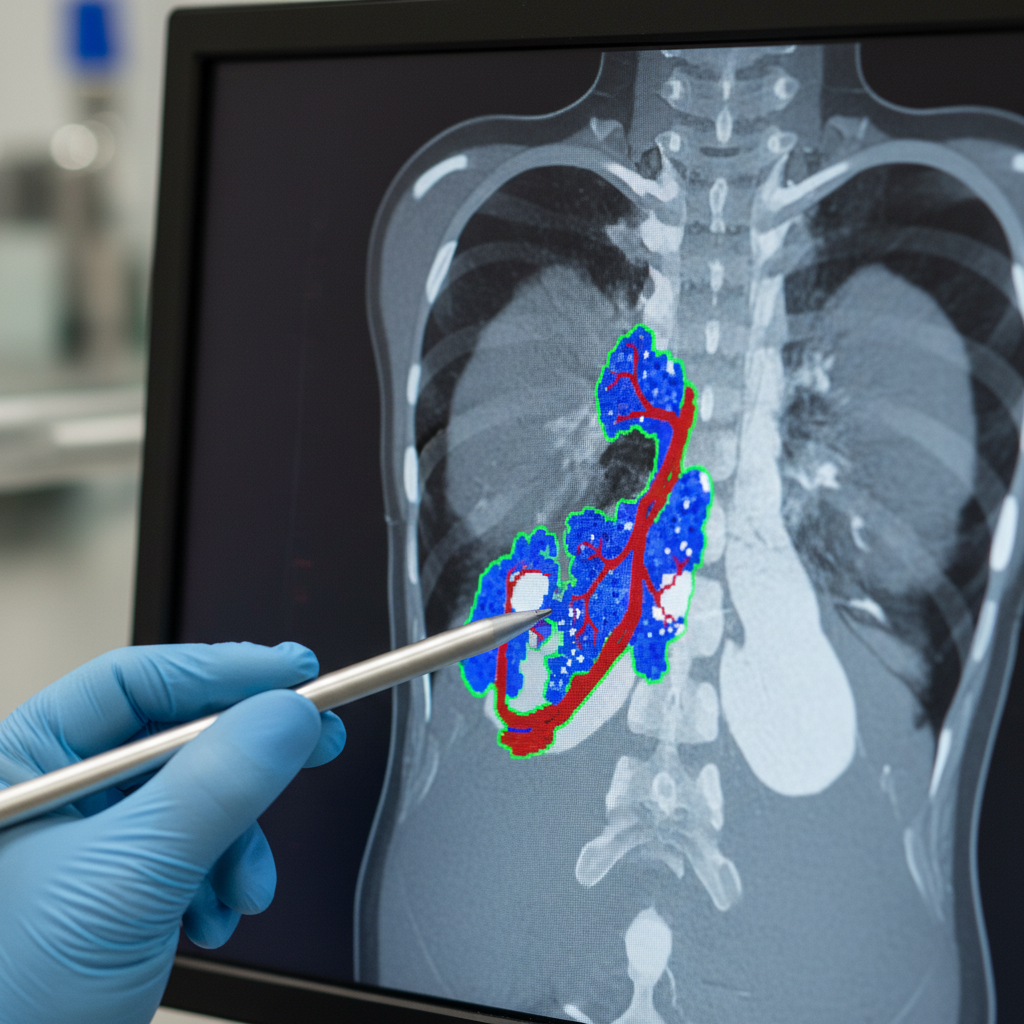
Al Salam Hospital in Jeddah recently undertook a comprehensive repair project that focused on diagnostic imaging equipment. By partnering with a reputable service provider, the hospital managed to overhaul their MRI machines, which are now operating with improved efficiency and accuracy. This project not only saved costs but also reduced downtime significantly.
Improving Patient Outcomes
Timely and effective repair of medical equipment directly correlates with patient outcomes. In Jeddah, hospitals that prioritize equipment maintenance have reported improved diagnostic accuracy and treatment efficacy. This focus on quality care has led to higher patient satisfaction and better health results.
Case Study: King Abdulaziz University Hospital
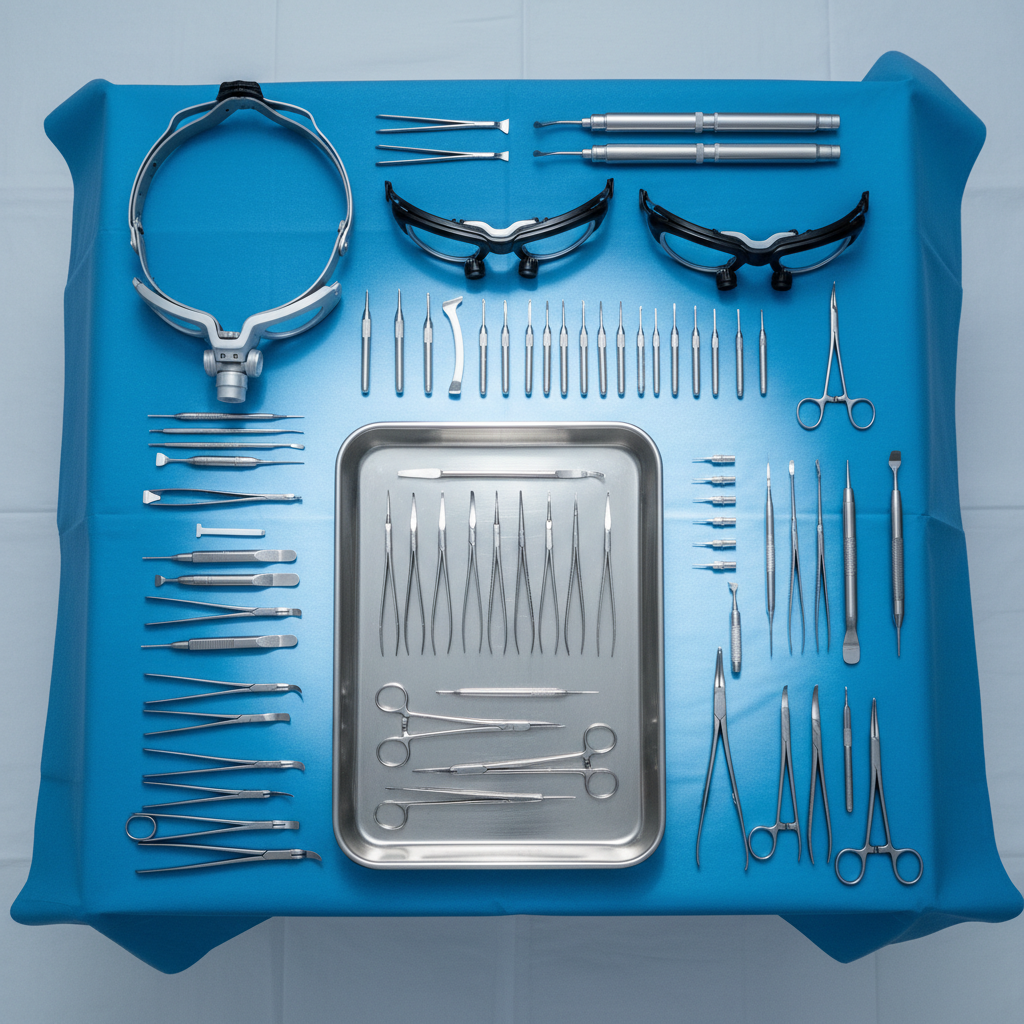
King Abdulaziz University Hospital embarked on a project to repair and upgrade their surgical equipment. By ensuring that all devices were in optimal condition, the hospital increased its surgical success rate. This initiative has positioned the hospital as a leader in surgical care within the region.
Cost-Effective Solutions
Repair projects in Jeddah have demonstrated that investing in the maintenance of existing equipment is often more cost-effective than purchasing new devices. Hospitals have been able to allocate resources more efficiently, ensuring that budgets are spent on other critical areas such as staff training and patient care.
Collaborative Efforts
Successful repair projects often involve collaboration between hospitals, service providers, and equipment manufacturers. In Jeddah, these partnerships have led to customized solutions that address the specific needs of each facility. By working together, stakeholders have enhanced the overall quality and reliability of medical equipment across the city.

Conclusion
The success of medical equipment repair projects in Jeddah highlights the importance of proactive maintenance and collaborative efforts. By focusing on these areas, healthcare facilities can ensure operational efficiency, improved patient outcomes, and cost savings. As Jeddah continues to grow as a medical hub, these initiatives will play a crucial role in shaping the future of healthcare in the region.