
Case Study: Successful Medical Equipment Repair in Jeddah Hospitals


Introduction to Medical Equipment Repair
The healthcare industry relies heavily on the availability and functionality of medical equipment. In Jeddah, hospitals have made significant strides in ensuring their equipment is well-maintained and repaired promptly. This case study highlights the successful approaches and strategies implemented in Jeddah hospitals to enhance medical equipment repair processes.

The Importance of Efficient Repairs
Medical equipment repair is crucial for maintaining the quality of healthcare services. Timely repairs not only ensure patient safety but also improve operational efficiency. In Jeddah hospitals, the focus has been on reducing downtime and ensuring that equipment is always ready for use.
One of the key approaches has been the implementation of a robust maintenance schedule. This involves regular check-ups and preventive maintenance to identify potential issues before they escalate.
Strategic Partnerships with Repair Services
To enhance repair services, Jeddah hospitals have formed strategic partnerships with specialized repair service providers. These partnerships ensure that the hospitals have access to skilled technicians and quality replacement parts.
- On-site repair services for immediate issues.
- Access to a pool of expert technicians.
- Comprehensive warranties and service agreements.

Training and Development Programs
Investing in the training and development of in-house biomedical engineers has been another successful strategy. Hospitals in Jeddah have established training programs that focus on the latest repair techniques and technologies.
These programs not only enhance the skill set of the staff but also empower them to handle complex repair tasks independently, reducing reliance on external service providers.
Technology Integration in Repair Processes
The integration of technology in repair processes has been a game-changer. Jeddah hospitals have adopted advanced diagnostic tools and software to streamline repair workflows. This technology allows for quicker identification of equipment issues, leading to faster resolutions.
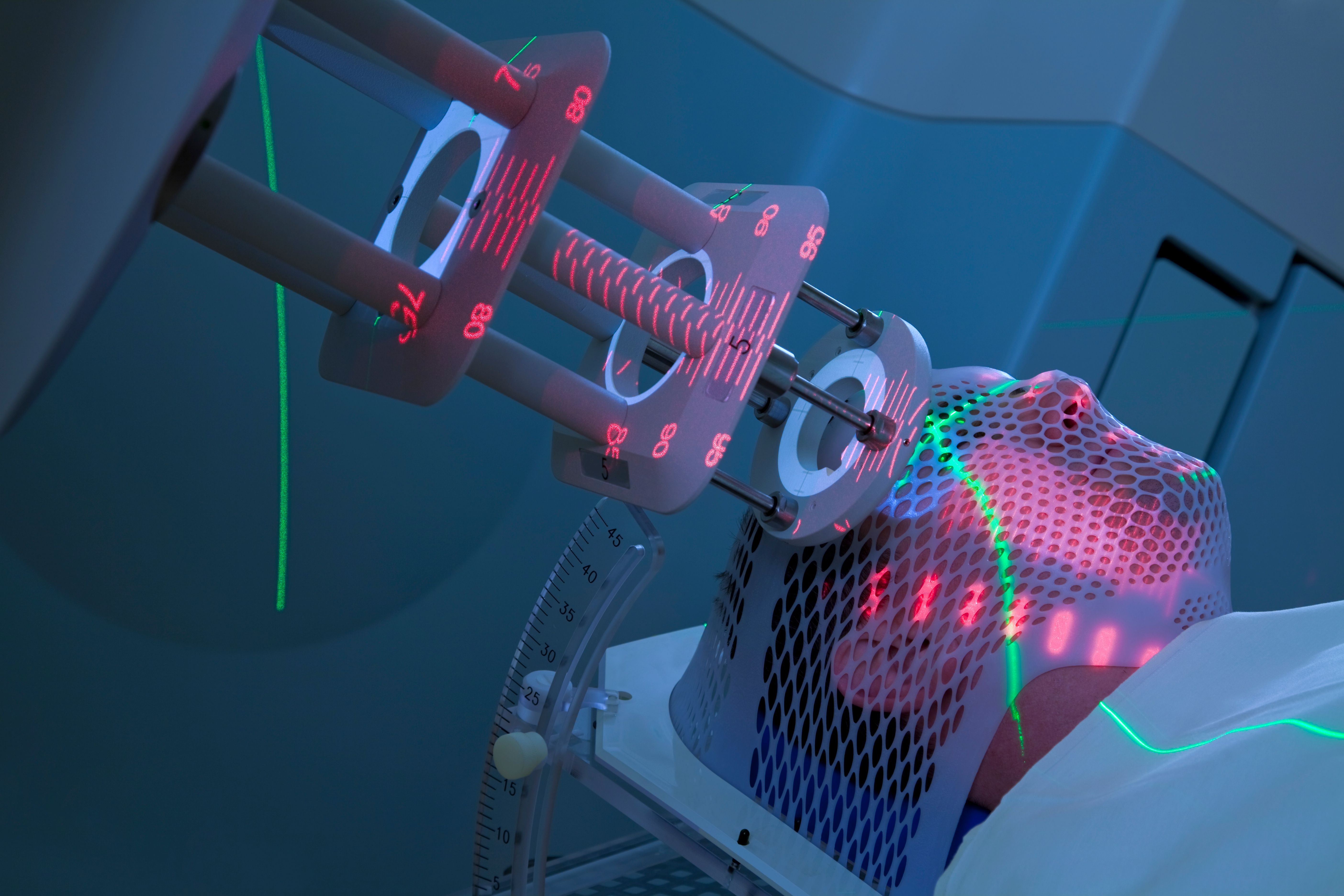
Moreover, digital platforms have been introduced to manage repair requests and track the status of ongoing maintenance tasks. This transparency and efficiency contribute significantly to the overall success of the repair processes.
Conclusion
Through strategic partnerships, investment in staff training, and the integration of advanced technology, Jeddah hospitals have set a benchmark in medical equipment repair. These efforts ensure that healthcare services are delivered efficiently and safely, ultimately enhancing patient care and hospital operations.